
Complex turned and milled parts completed in one integrated process. Tianyida manufactures precision components that combine rotational geometry with flats, cross holes, slots, pockets, threads and other multi-directional features.
Direct factory support from Shenzhen, China, with engineering review before production.
From one prototype to repeat production, we support drawing-based parts for industrial automation, hydraulic systems, medical equipment, precision machinery and custom OEM products.
• Integrated turning, milling, drilling and tapping
• Cross holes, off-center features, flats, slots and threads
• Tight-tolerance support down to ±0.01 mm for suitable features
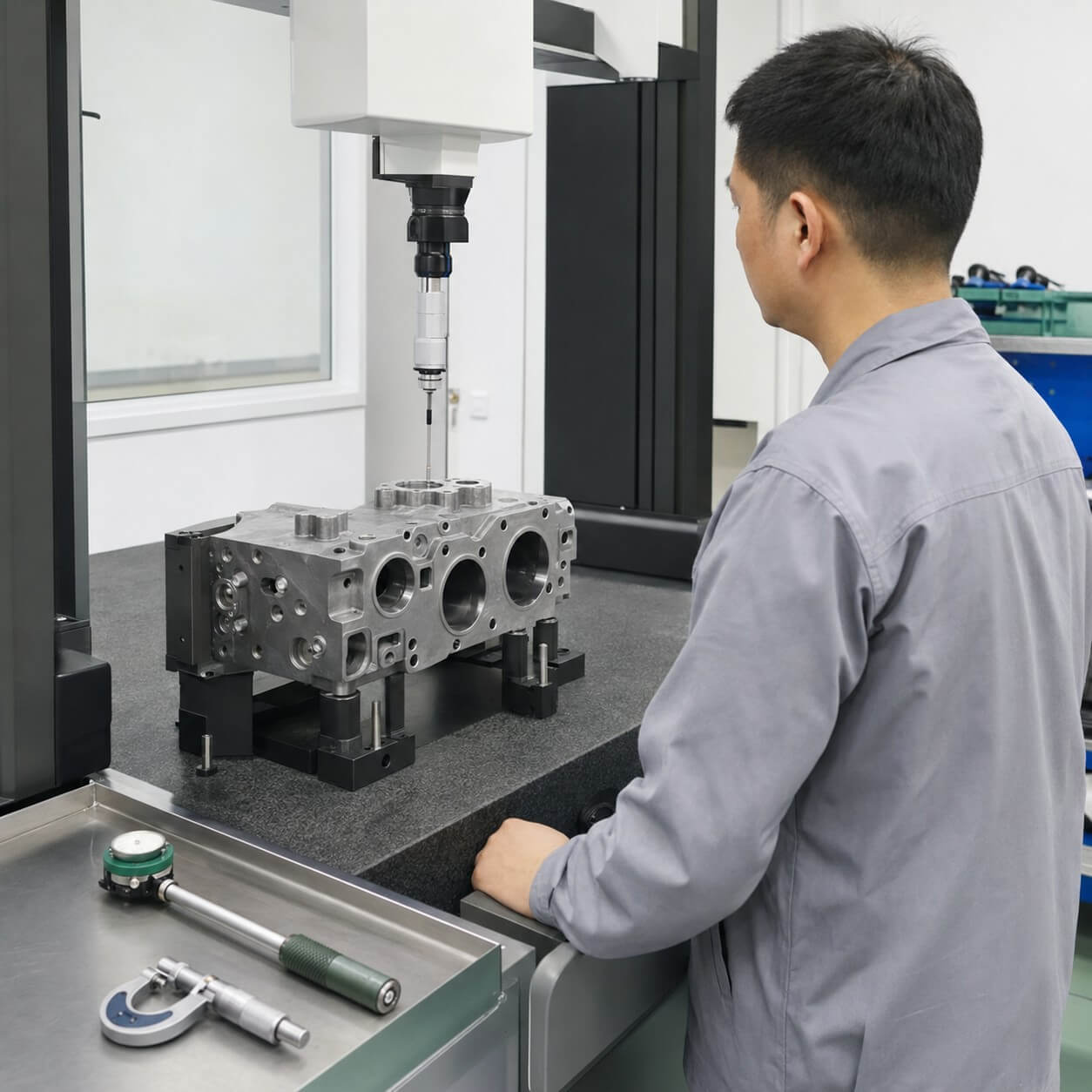
• Prototypes from 1 piece; CMM and dimensional inspection
• ISO 9001:2015 quality management and 100% outgoing inspection
• Prototype lead times from approximately 7 days
Reduce transfers between separate machines and simplify the manufacturing route.
Mill-draaibewerking combineert CNC-draaien met frezen, boren, tappen en dwarsbewerken met live-gereedschap. Het is geschikt voor onderdelen die zowel cilindrische vormen als nauwkeurig gepositioneerde secundaire kenmerken bevatten.
Een conventionele bewerkingsroute kan een component tussen een draaibank en één of meer bewerkingscentra verplaatsen. Het voltooien van meer functies in één gecontroleerd proces vermindert overdrachten, herhaalde uitlijning en hantering.
Maintain more consistent alignment between bores, diameters, holes, flats and slots.
Zorg voor een consistentere uitlijning tussen gaten, diameters, openingen, vlakken en sleuven.
Limit repeated clamping, setup variation and handling damage.
Reduce waiting time between machines and improve overall workflow.
Use a controlled process for prototypes, low-volume batches and repeat orders.
Machine complex features into one component instead of assembling several parts.
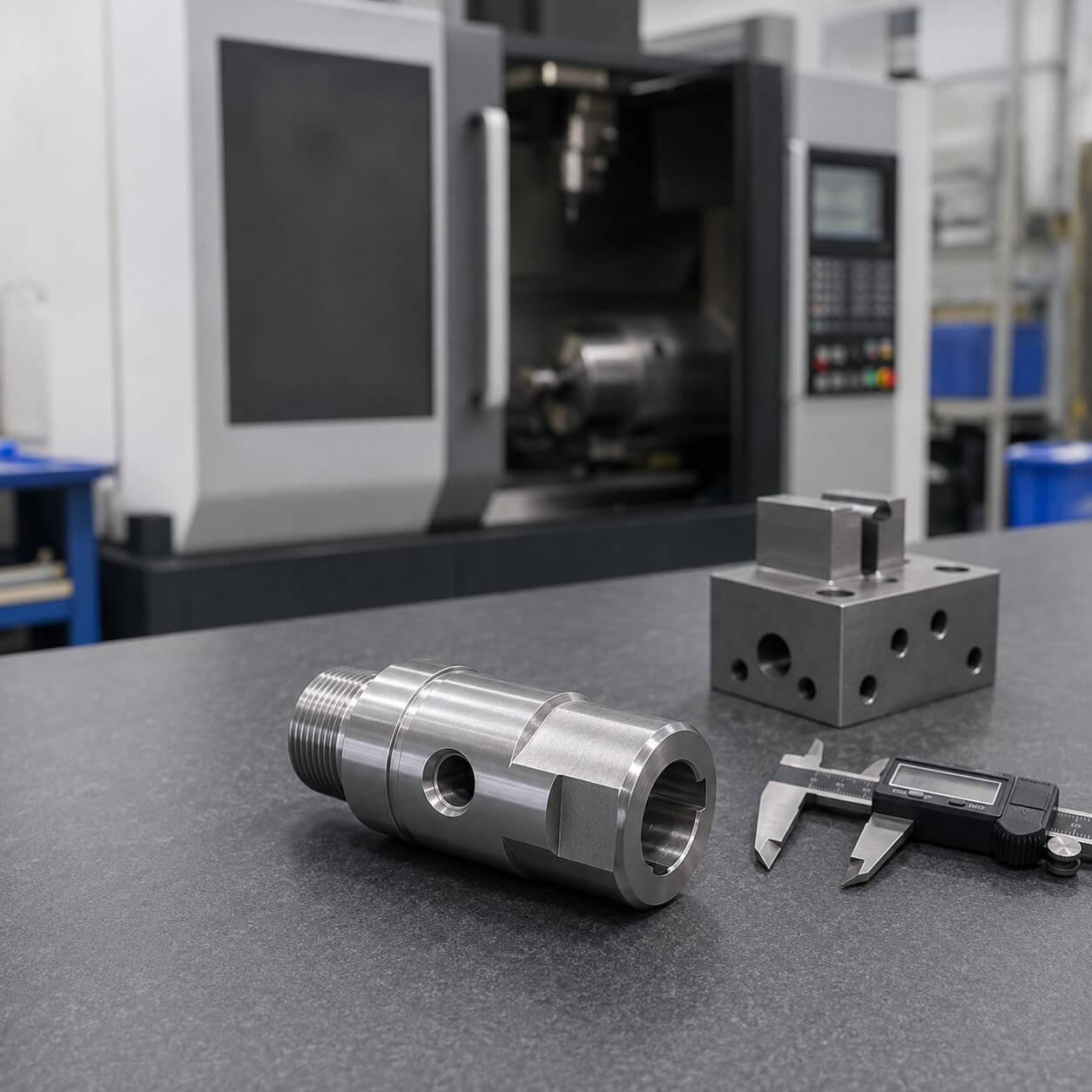
Tianyida combines turning and secondary machining operations to reduce part transfers and control critical feature relationships.
Outside diameters, bores, shoulders, tapers, grooves, threads and sealing surfaces.
Flats, slots, pockets, keyways, mounting faces and selected contours.
Holes, slots and pockets positioned away from the main rotational centerline.
Axial or radial holes, internal threads and mounting features.
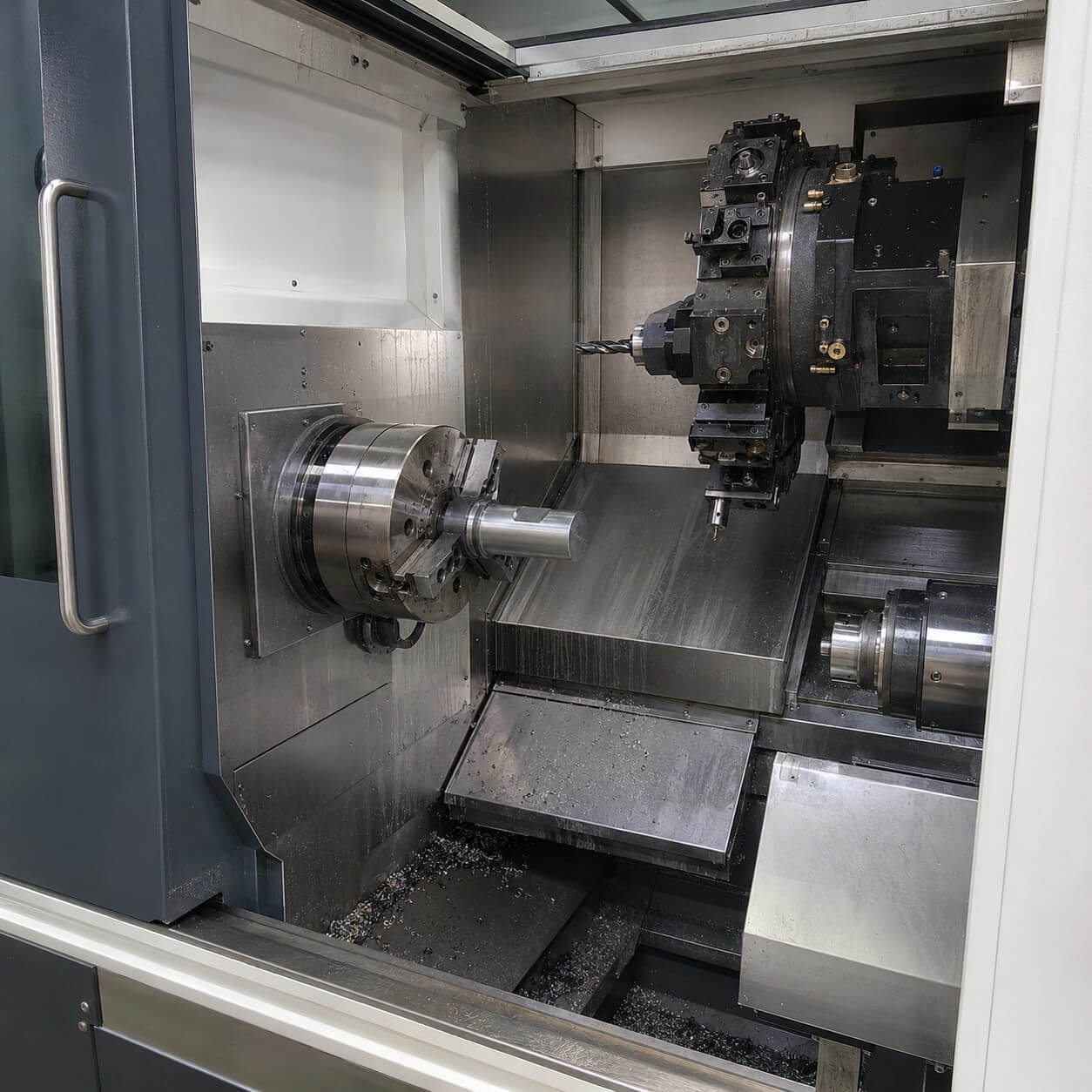
Controlled part transfer or secondary-spindle operations for suitable components.
Gecontroleerde onderdeeloverdracht of bewerkingen met een secundaire spil voor geschikte componenten.
| Bestelhoeveelheid | Van 1 prototype tot herhaalproductie |
| Tolerantieondersteuning | Tot ±0,01 mm voor geschikte kenmerken |
| Materialen | Metalen en technische kunststoffen |
| Inspectie | CMM-, dimensionale-, run-out-, schroefdraad- en visuele inspectie |
| Levertijd | Prototypes vanaf ongeveer 7 dagen; reguliere productie meestal 10–15 dagen |
Mill-draai bewerking is bijzonder geschikt voor roterende componenten die tevens nauwkeurig gepositioneerde gaten, vlakken, sleuven, uitsparingen of schroefdraad vereisen.
Stepped shafts and spindles with grooves, flats, keyways, cross holes or milled ends.
Bores, sealing surfaces, radial ports, intersecting passages and precision threads.
Boren, afdichtingsvlakken, radiale poorten, kruisende passages en precisieschroefdraad.
Sleeves, pistons and connectors with controlled bores, grooves, ports and sealing features.
Sleeves, pistons and connectors with controlled bores, grooves, ports and sealing features.
Precision adapters and couplings with fine threads, small bores and milled interfaces.
Precisie-adapters en koppelingen met fijne schroefdraad, kleine boringen en gefreesde interfaces.
Lightweight fittings and couplings with compound geometry and controlled datums.
Internal or external threads combined with cross holes, wrench flats or slots.
<<>> machines common metals and engineering plastics for prototypes and production. Material grade, condition and certification requirements are confirmed before manufacturing.
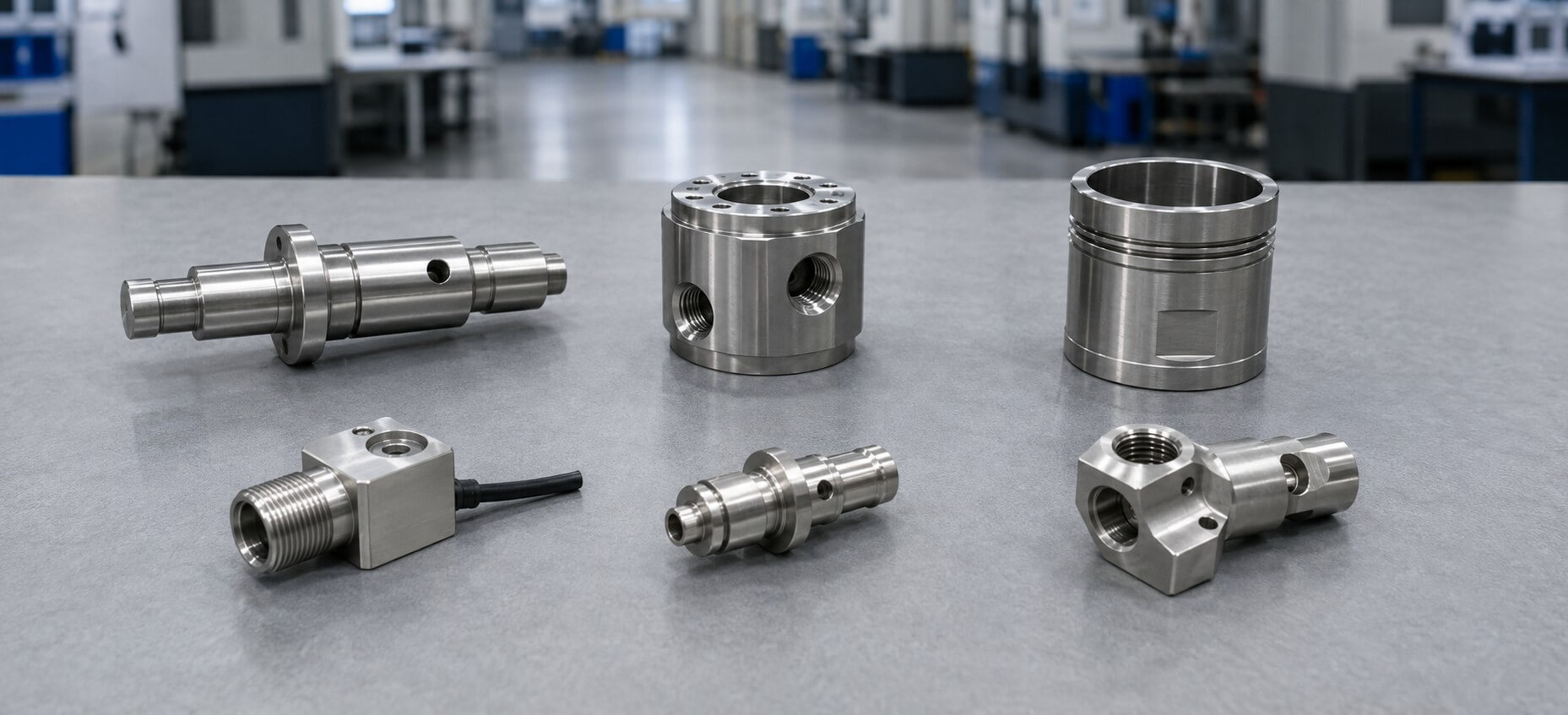
6061, 6082, 7075, 2024 and specified alloys for lightweight housings and motion components.
Tianyida bewerkt gangbare metalen en technische kunststoffen voor prototypes en productie. Materiaalgraad, toestand en certificeringseisen worden vóór de productie bevestigd.
6061, 6082, 7075, 2024 en gespecificeerde legeringen voor lichte behuizingen en bewegingscomponenten.
303, 304, 316, 316L, 17-4PH en gespecificeerde kwaliteiten voor corrosiebestendige onderdelen.
Materials for fittings, electrical parts, medical, aerospace and demanding applications.
Specified grades for tooling, wear parts and heat-treated components.
POM, PEEK, nylon, PTFE and other drawing-specified plastics.
Specified grades for tooling, wear parts and heat-treated components.
Anodizing, plating, passivation, black oxide, heat treatment, grinding, polishing, powder coating and painting can be arranged according to the drawing. Processes not performed internally are managed through qualified finishing partners.
POM, PEEK, nylon, PTFE and other drawing-specified plastics.
Anodizing, plating, passivation, black oxide, heat treatment, grinding, polishing, powder coating and painting can be arranged according to the drawing. Processes not performed internally are managed through qualified finishing partners.
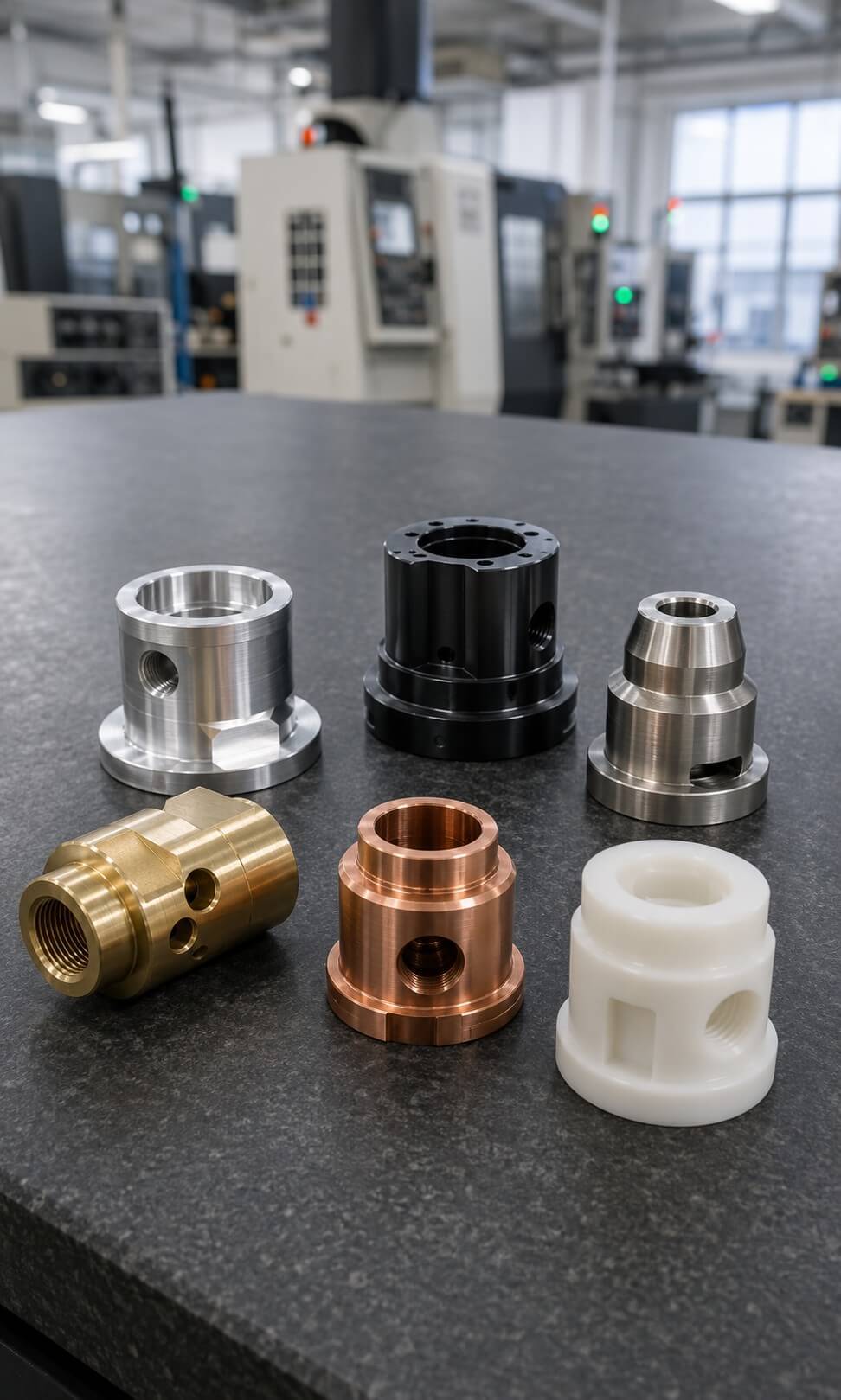
Check tolerances, datums, threads, finishes and unclear requirements before production.
Material Verification
First-Article Inspection
CMM & Functional Inspection
Bewaak kritische afmetingen, gereedschapsslijtage en oppervlakteconditie.
Verifieer geschikte profielen, posities, boringen, schroefdraad, uitloop en datumrelaties.
Check dimensions, appearance, quantity, finish and documentation before shipment.
<<>> supports mill-turn projects from one prototype through low-volume batches and repeat production.
Manufacture small and medium batches without expensive dedicated tooling.
Begin met één stuk voor ontwerpverificatie, assemblagetests of functionele evaluatie.
Manufacture small and medium batches without expensive dedicated tooling.
Receive usable parts while permanent tooling or a higher-volume process is prepared.
Retain controlled programs, tooling, workholding and inspection requirements for future batches.
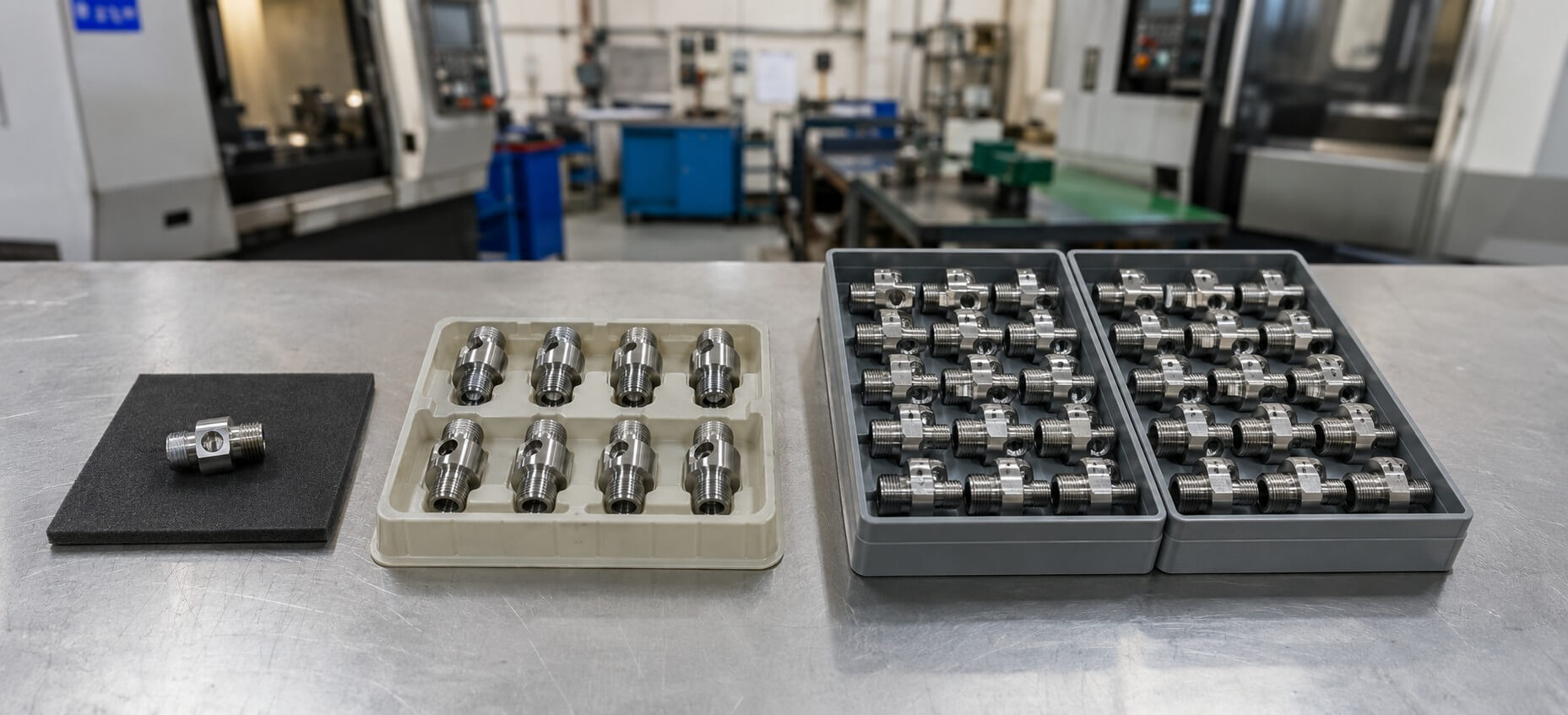
It is often a practical choice when a part combines:
• Turned diameters or bores with flats, slots, pockets or keyways
• Radial, cross-drilled, angular or off-center features
• Critical relationships between turned and milled geometry
• Front and back-side machining requirements
• Multiple operations that would otherwise require repeated machine transfers
Simple rotational parts may be more economical on a CNC lathe, while prismatic parts may be better suited to CNC milling. Very large parts or stable high-volume products may require a different production strategy.
We review geometry, datums, tolerance relationships, tool access, workholding, material, quantity, surface finish, inspection and delivery requirements before recommending mill-turn machining or another process.
Not sure which process is right? Send your 3D model and 2D drawing for review.
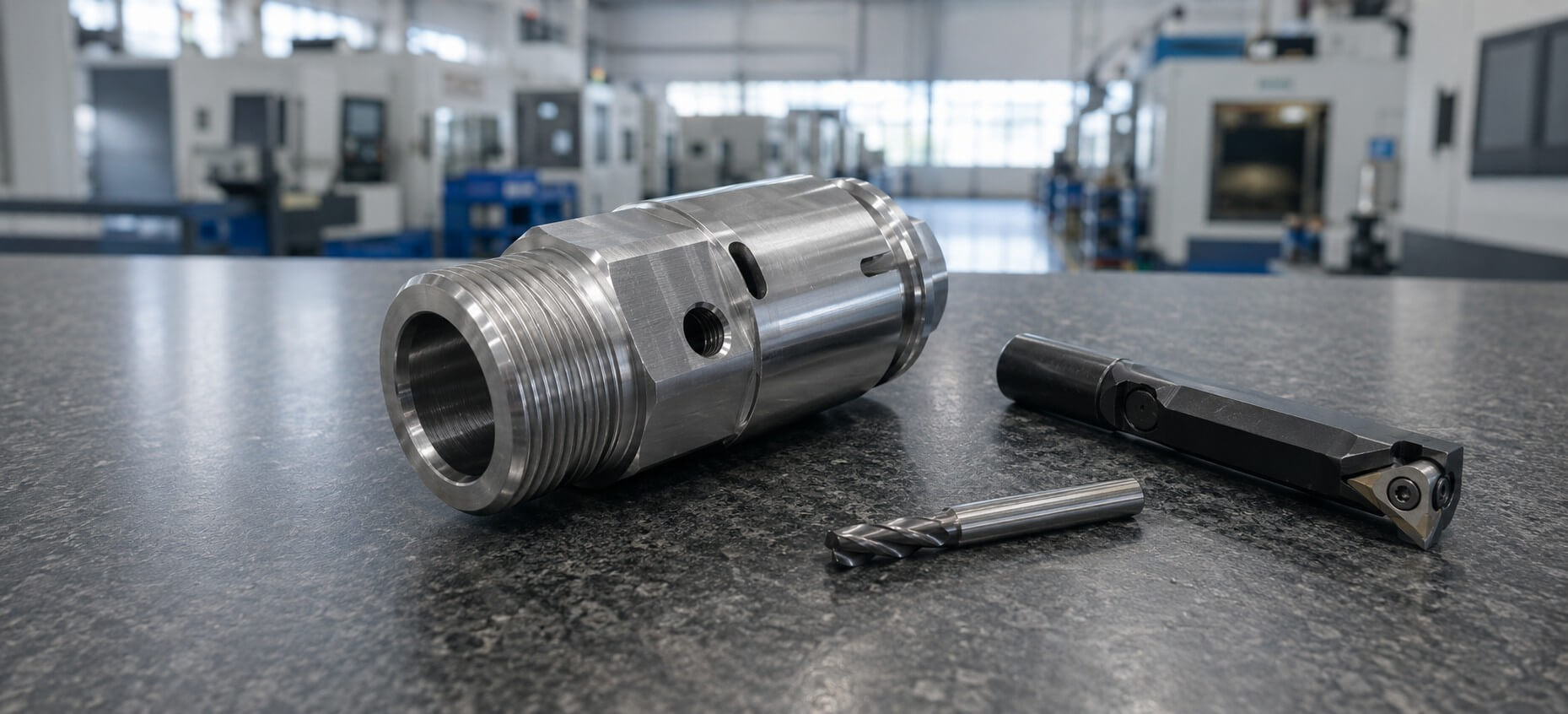
Integrated machining is most valuable when turned, drilled and milled features must maintain controlled
relationships.
Bores, sealing surfaces, radial ports, passages and threads in one controlled process.
Stepped shafts and spindles with grooves, flats, keyways, cross holes or milled ends.
Rotational features combined with keyways, flats, cross holes and drive interfaces.
Sleeves, pistons and connectors with controlled bores, grooves, ports and sealing features.
Controlled bores, seal grooves, radial ports and threaded connections.
Compact cavities, cable interfaces, threads, flats and positioned holes.
Lightweight profiles, angular holes, slots, threads and datum-controlled interfaces.
Heat treatment, grinding, EDM, finishing and assembly-related processes can be coordinated when required by the drawing.
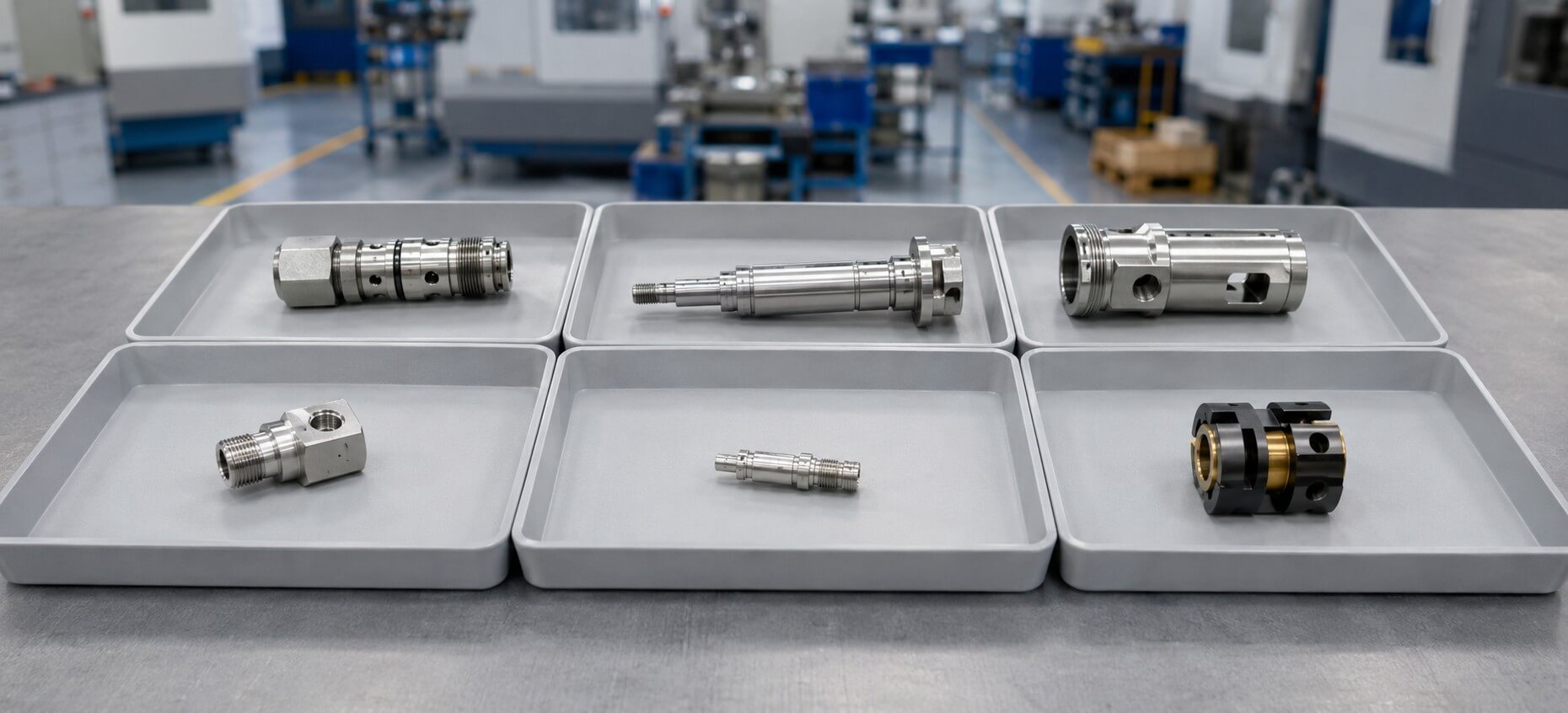
Additional applications include automation components, pneumatic connectors, robotic motion parts, industrial instruments, specialized fasteners, couplings, adapters and custom OEM parts.
Your inquiry will be reviewed for geometry, tolerances, material, surface finish, quantity, inspection requirements, and required delivery date before quotation.
Receive a clear quotation supported by manufacturing evaluation and practical engineering feedback.
We evaluate geometry, tolerance, material, workholding, inspection, and delivery requirements.
You receive pricing, lead time, and practical manufacturing feedback for the reviewed design.
After approval, we prepare the machining, inspection, and delivery plan for your project.
Aanvaarde formaten: STEP, STP, IGES, IGS, X_T, PDF, DWG en DXF.
Shenzhen Tianyida Precision Technology Co., Ltd. is a trusted precision manufacturing partner specializing in CNC machining, sheet metal fabrication, rapid prototyping, and complete manufacturing solutions.