
Practical information to help engineers and buyers prepare better custom-part projects. Explore material and finish references, representative part galleries, DFM guidance, technical articles and answers to common sourcing questions.
These resources are designed to support early project decisions and make communication more efficient. Final manufacturability, tolerance capability, material suitability, finish selection, inspection scope and lead time are confirmed against the actual drawing and order requirements.
Use the five resource sections below to understand common manufacturing choices, review representative workmanship and prepare the information needed for an accurate quotation.
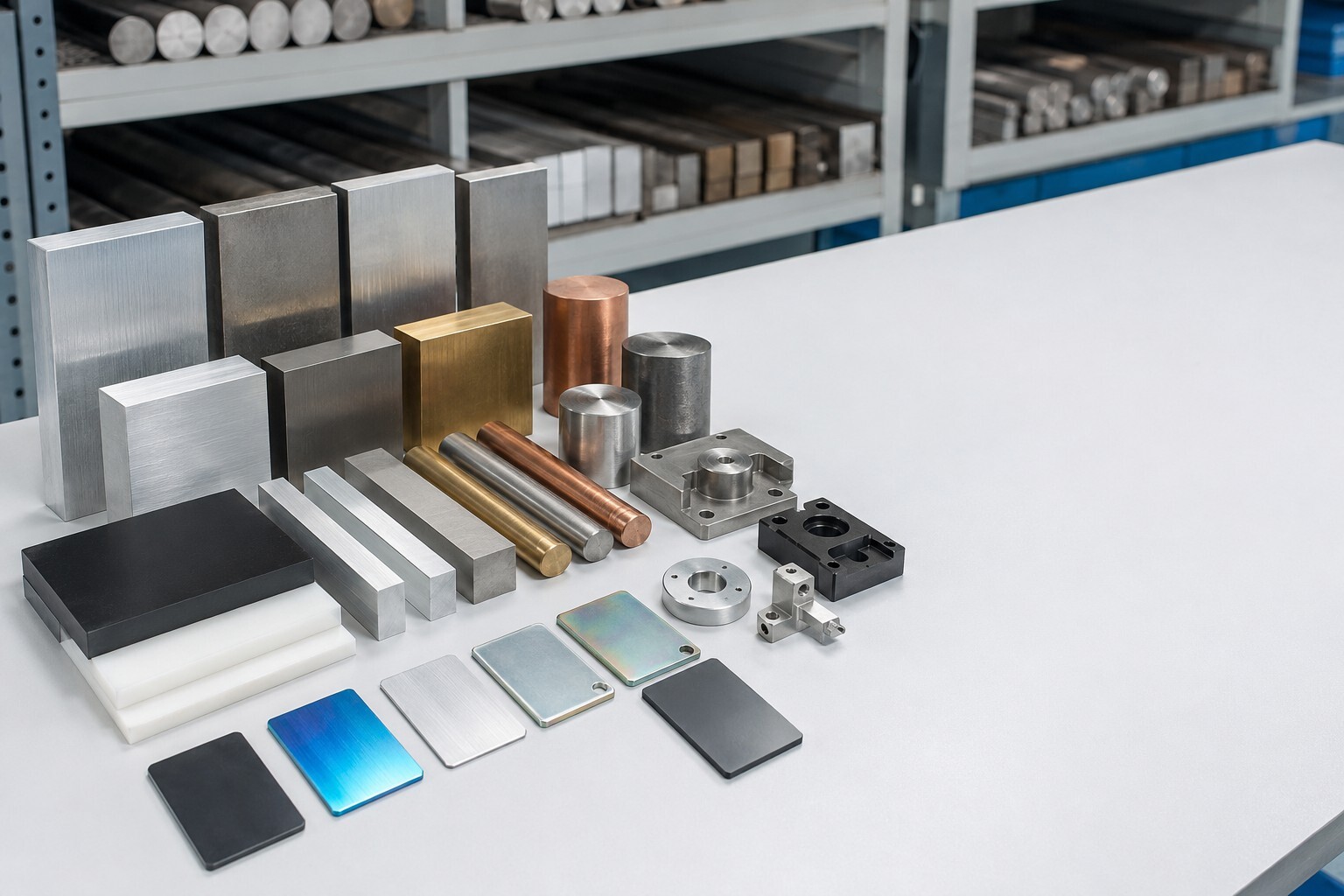
Compare commonly machined metals, plastics and post-machining finish options. Review typical selection considerations before confirming a specification.
View approved, unbranded examples of CNC machined and fabricated components produced across different processes and application types.
Review practical guidance for tolerances, wall thickness, holes, threads, internal corners, surface finish and drawing preparation.
Read technical articles about machining processes, quality control, sourcing and project preparation.
Find direct answers about quoting, files, quantities, lead times, materials, inspection, confidentiality and shipping.
Send the 2D drawing and 3D model for an engineering review based on the actual component.
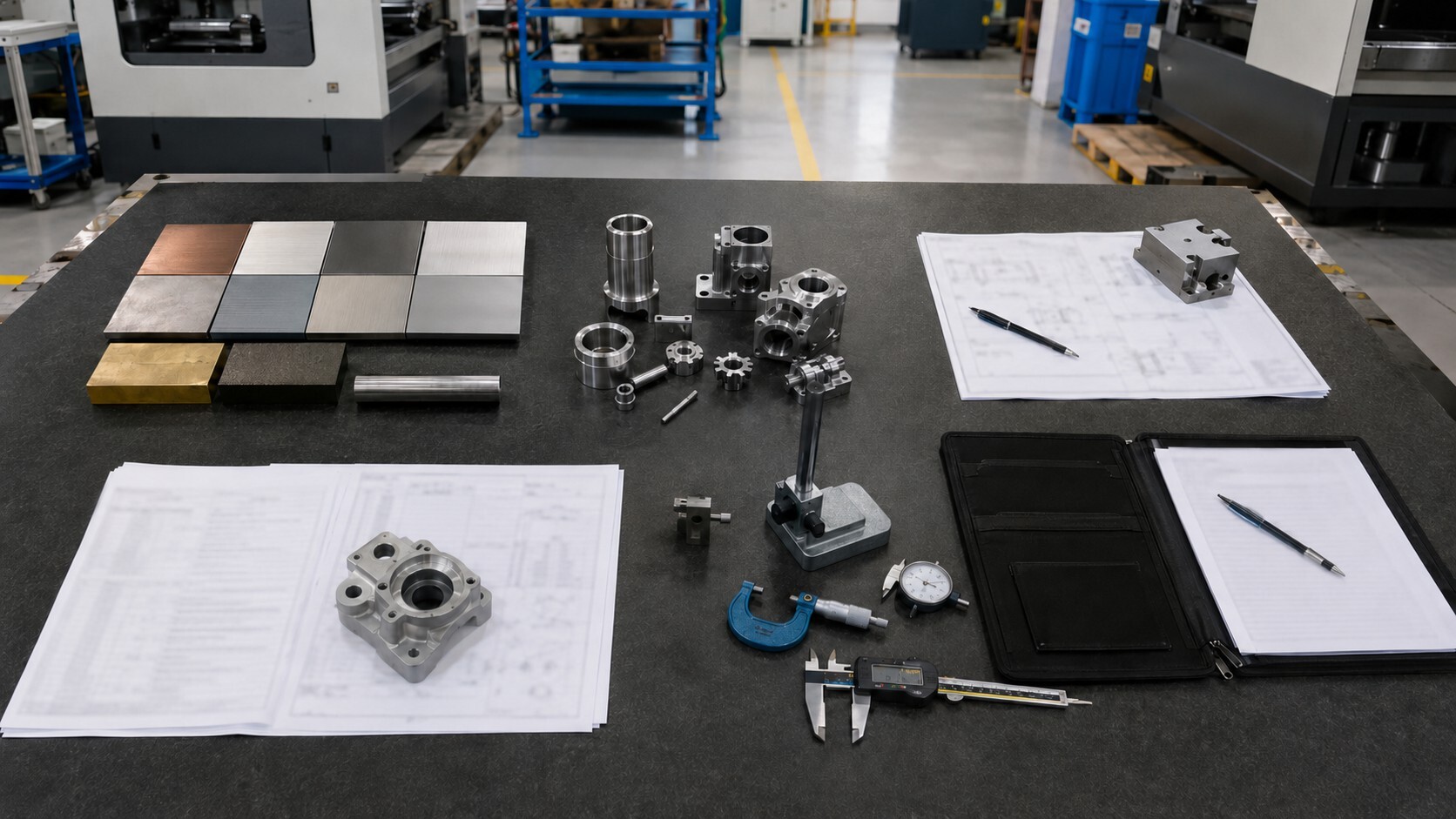
Material and surface-finish decisions affect strength, weight, corrosion resistance, wear, conductivity, appearance, dimensional stability, cost and lead time. Our reference pages provide a practical starting point for specification review.
Frequently selected for lightweight housings, brackets, plates, heat sinks and equipment components.
Used where corrosion resistance, cleanliness, strength or appearance is important.
Selected for strength, wear resistance, shafts, tooling and load-bearing industrial components.
Applied where electrical or thermal conductivity, corrosion resistance or specific mechanical properties are required.
Considered for high strength-to-weight requirements and demanding corrosion environments.
Used for insulation, low friction, chemical resistance, low weight and specialized functional components.
The Part Gallery presents approved examples of Tianyida’s machining and fabrication capabilities without exposing customer names, drawings, part numbers, brands or identifiable project information.
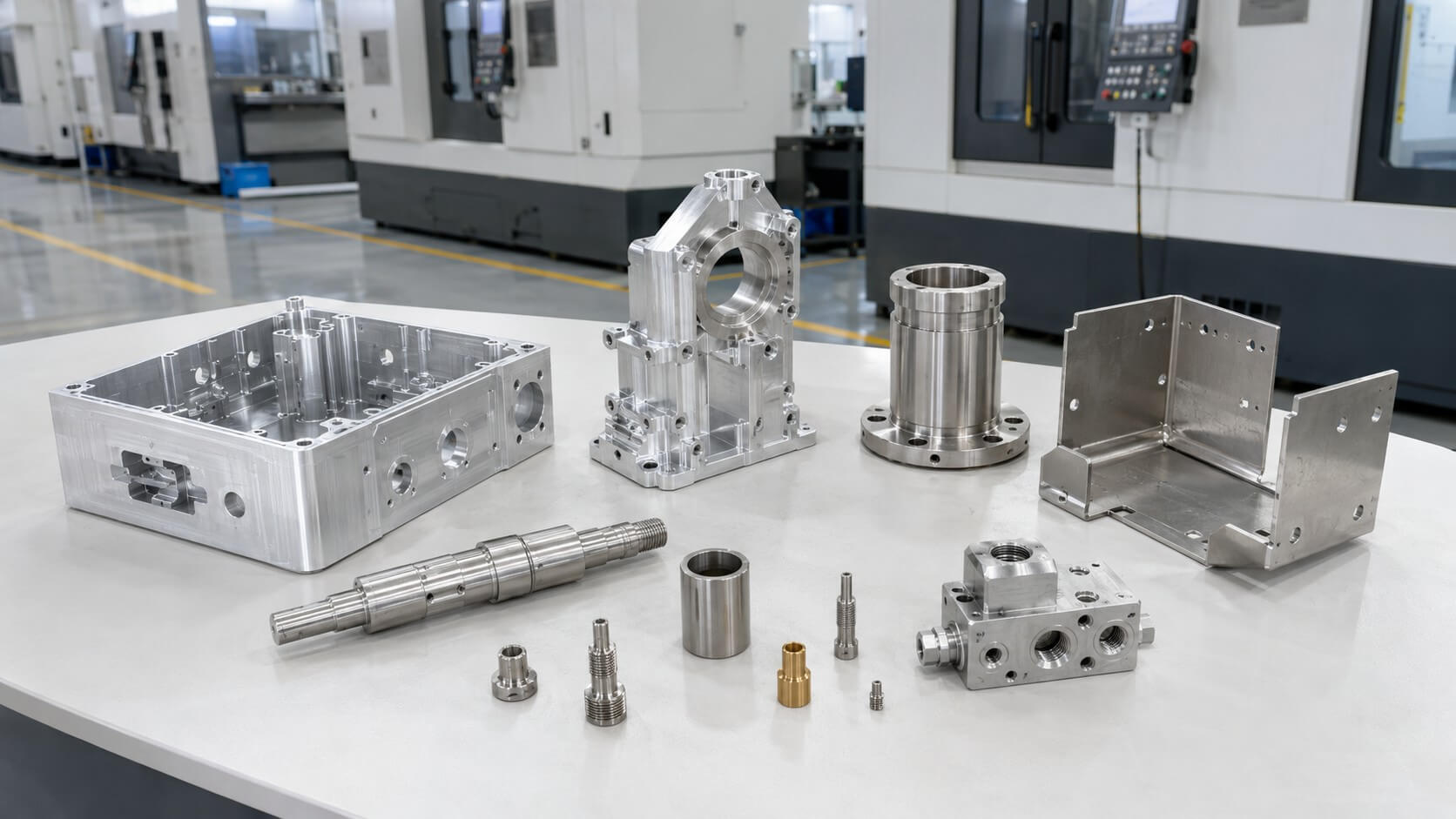
Representative part forms, feature combinations and machining access.
Examples across commonly machined metals and engineering plastics.
Visible edge treatment, machined surfaces and finished-part presentation.
Examples suited to prototypes, low-volume builds and recurring production.
Small design decisions can affect machining access, setup count, tool selection, inspection method, cost and lead time. Our DFM guides explain common considerations without replacing a component-specific engineering review.
Apply tight tolerances where function requires them and use practical general tolerances elsewhere.
Allow realistic tool radii and access for milled pockets and internal features.
Consider depth, diameter, engagement, edge distance and tool access.
Avoid unnecessarily thin walls, deep narrow cavities and unstable machining conditions.
Define functional relationships clearly so machining and inspection use the intended references.
Specify roughness and cosmetic requirements according to function and visible surfaces.
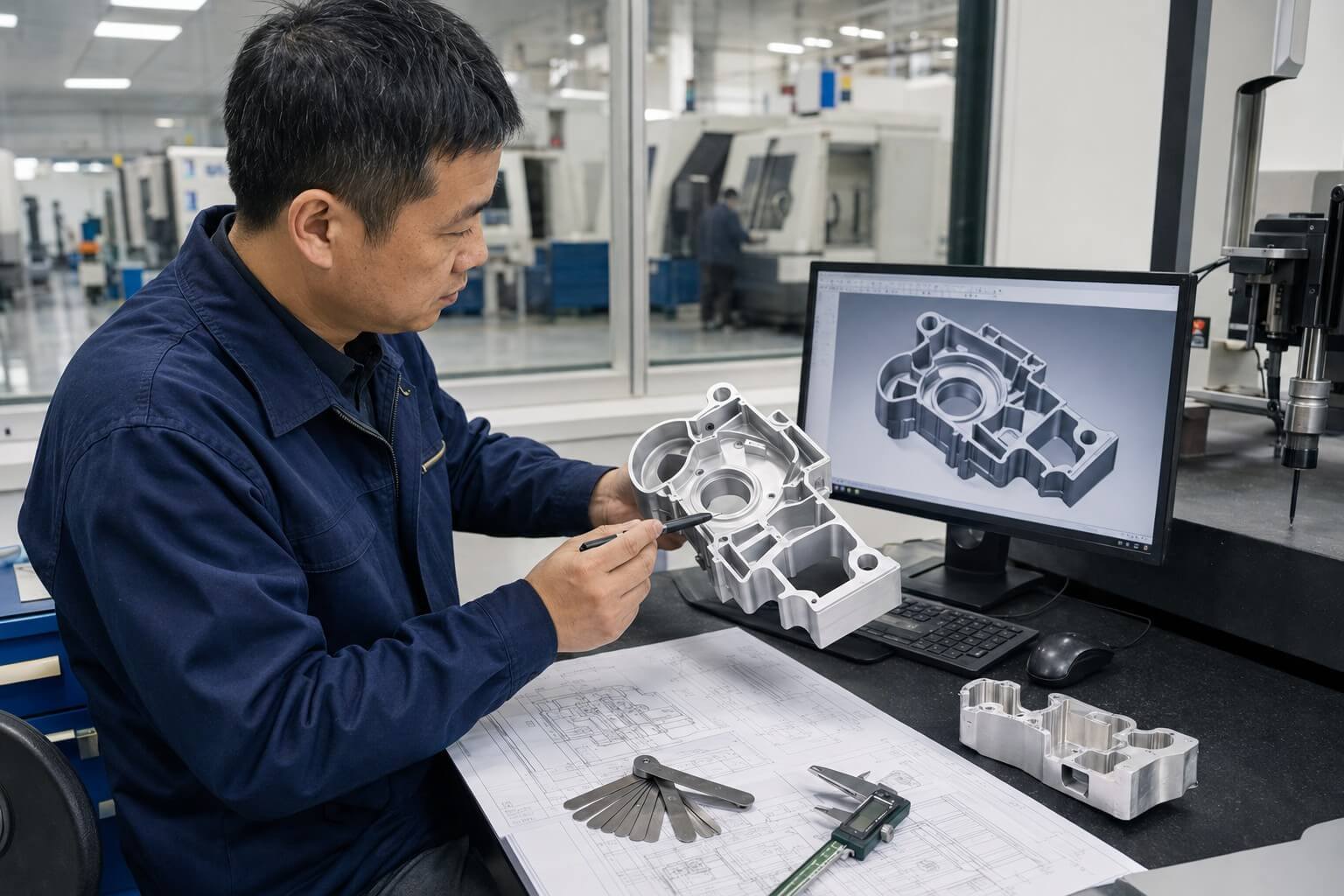
The Tianyida Blog explains machining, quality and sourcing topics that help technical buyers prepare projects and communicate requirements more clearly.
Understand when CNC milling, turning, 5-axis, Swiss machining, mill-turn or sheet metal fabrication may be appropriate.
Review material behavior, finish compatibility and specification considerations.
Learn how geometry and tolerance decisions can influence process, cost and inspection.
Explore drawing review, first-article, in-process, dimensional and outgoing inspection topics.
Prepare RFQs, compare quotations and define quantities, documentation and delivery requirements.
Follow relevant capability, equipment and manufacturing updates from Tianyida.
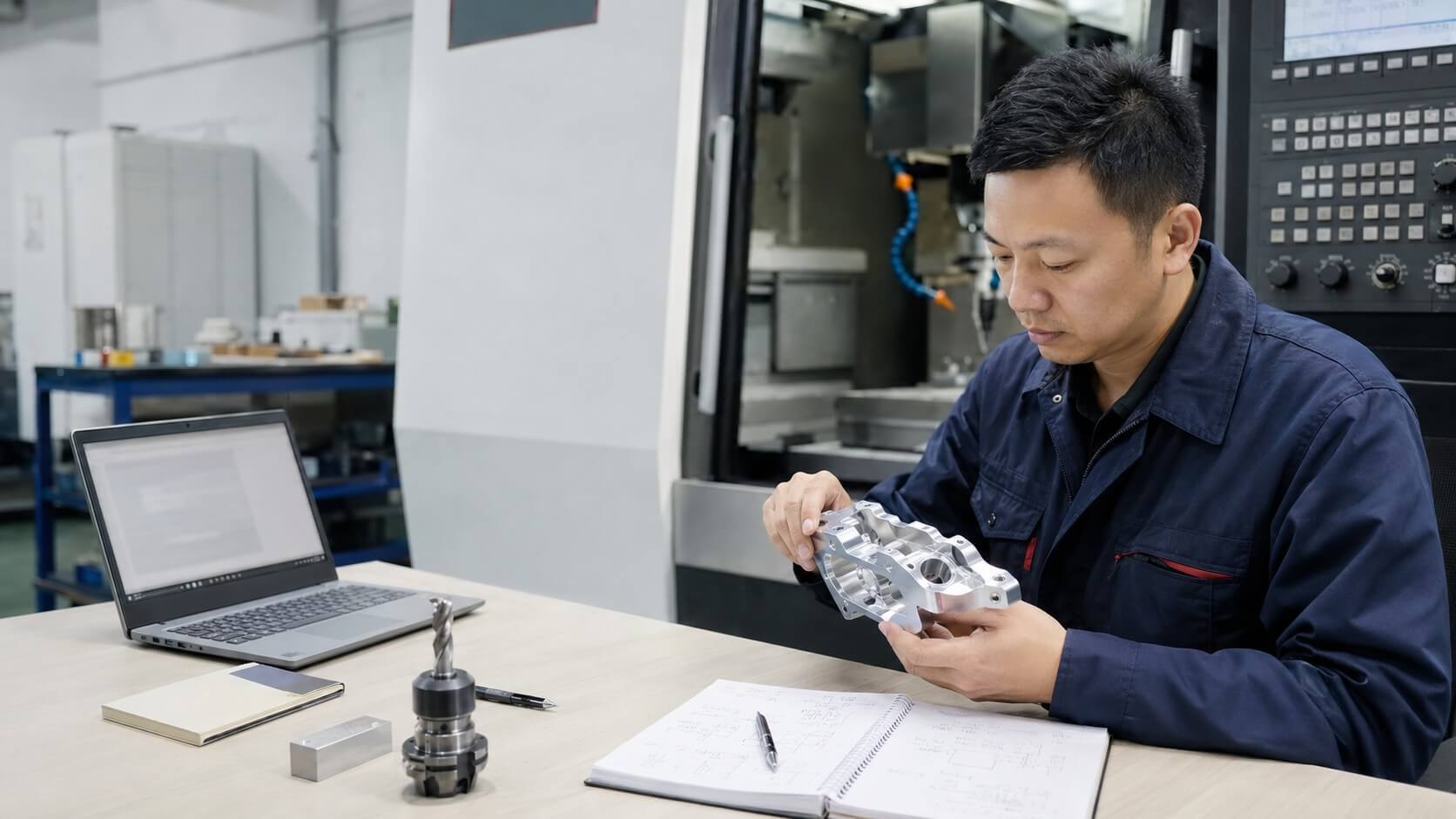
These answers cover the questions buyers and engineers most often ask when starting a custom manufacturing project.
Send the 2D drawing and 3D model whenever available. Include material, finish, quantities, critical tolerances, required documentation and delivery destination.
Yes. Prototype quantities can start from one piece, subject to part geometry, material and process review.
We support prototypes, low-volume orders and repeat production. Final capacity and delivery are confirmed for the specific part and quantity.
A complete RFQ helps our team select the appropriate process, identify technical risks and prepare a more accurate quotation. If some information is not yet available, submit what you have and identify the open items.
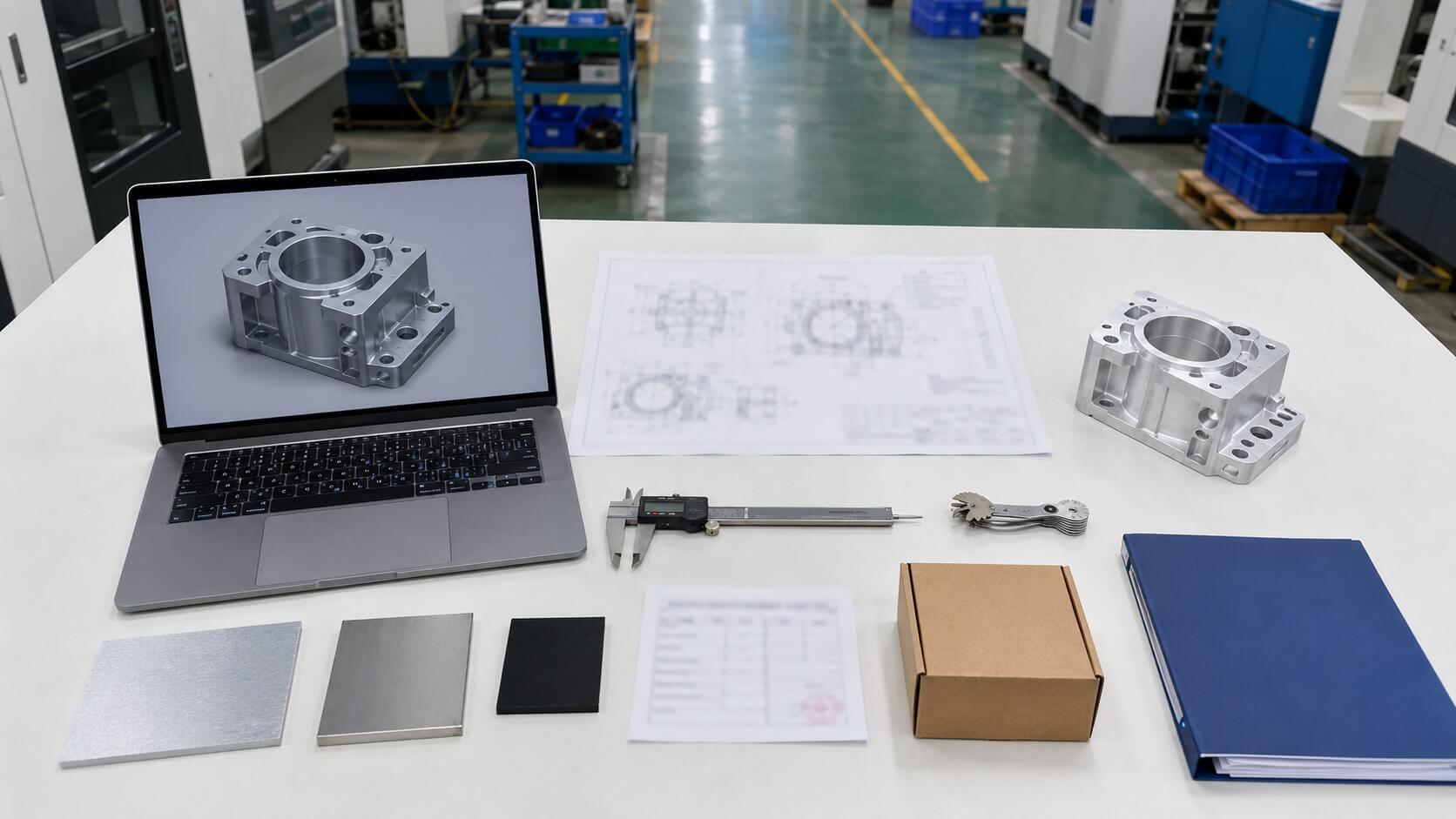
2D drawing, 3D model and the correct revision.
Material grade, temper, hardness or other required condition.
Treatment, color, roughness, cosmetic standard and
masked areas.
Prototype quantity, production quantity and expected
annual demand.
Tolerances, datums, threads, sealing faces, mating features and special workmanship.
Inspection report, CMM report, material certificate or other agreed records.
Required date, destination and any planned batch releases.
NDA requirement or other project-handling instruction.
Reference information helps narrow the options, but custom manufacturing decisions must be confirmed against the actual component. Tianyida connects technical guidance with a controlled project review.
Use the resource center to review processes, materials,
finishes, design considerations and common questions.
Collect the drawing, model, quantity, material, finish, quality and delivery requirements.
Upload the available project files through the quotation form.
Our team checks manufacturability, process, risk, inspection, price and lead-time factors.
Missing, conflicting or function-critical requirements are confirmed before production.
Production proceeds using the approved drawing, revision and order requirements.
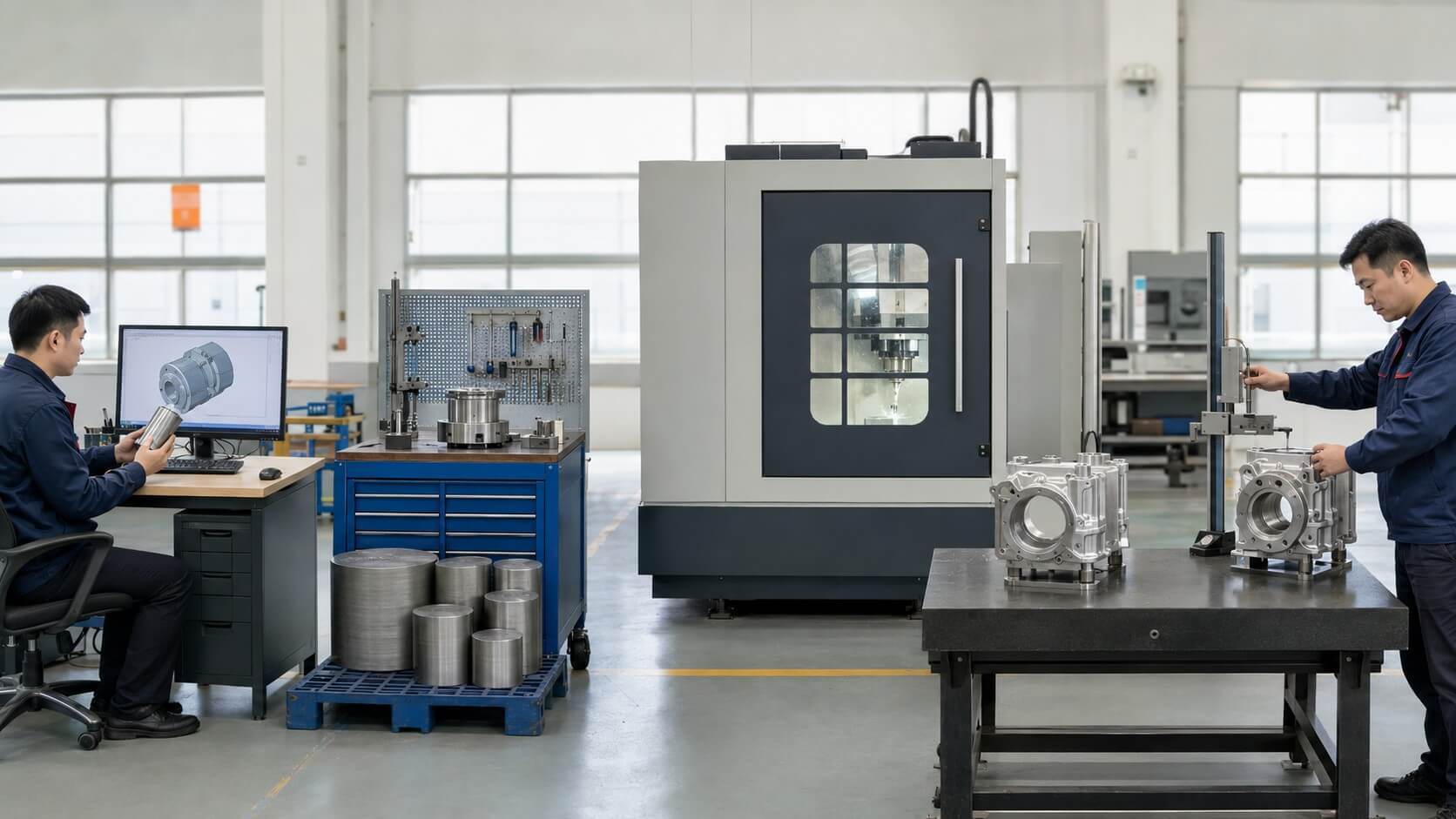
Send your drawings, models and available project requirements. Tianyida will review the component and respond with the appropriate manufacturing approach, technical questions and quotation. You do not need every field completed before contacting us. Submit the available information, and our team will help identify what still needs to be confirmed.
Shenzhen Tianyida Precision Technology Co., Ltd. is a trusted precision manufacturing partner specializing in CNC machining, sheet metal fabrication, rapid prototyping, and complete manufacturing solutions.