
When small diameters, complex features and demanding tolerances make conventional turning difficult, Swiss CNC machining provides the stability needed to manufacture parts accurately and consistently.
At Tianyida, we review your part geometry, material, critical dimensions and production volume before recommending a manufacturing approach. This engineering-led process helps control deflection, reduce unnecessary setups and maintain repeatable quality across prototypes, low-volume orders and ongoing production.
The smallest features often create the greatest manufacturing risk.
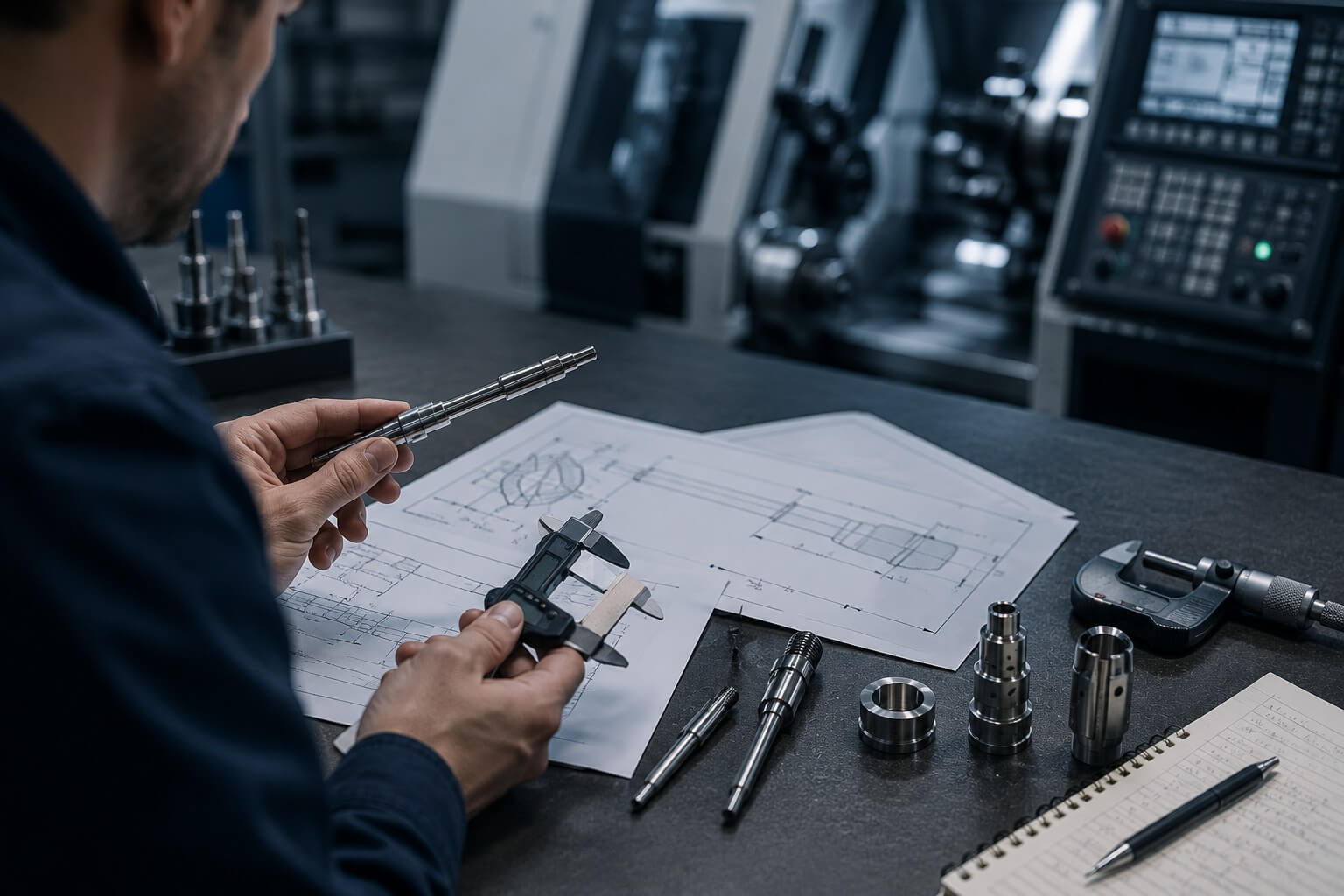
Cutting pressure can push unsupported material away from the tool, affecting straightness, diameter and concentricity.
Making one acceptable sample is different from holding critical dimensions consistently throughout an entire order.
Small holes, narrow grooves, fine threads and thin walls require controlled cutting conditions to avoid distortion or breakage.
A burr that is barely visible can still prevent assembly, disrupt sealing or interfere with movement.
Diameters, shoulders, grooves and threads may each be within tolerance while the part still fails if their alignment is not controlled.
Stainless steel, titanium, copper alloys and engineering plastics each respond differently to heat, cutting pressure and tool wear.
A component may appear simple on a drawing, yet a slender section, micro feature or critical relationship between dimensions can make production difficult. These details influence tool access, part stability, burr formation, inspection strategy and—most importantly—whether every part will function as intended.
Our engineering review identifies these risks before machining begins, allowing the process, tooling and inspection plan to be built around the features that matter most.
Swiss machining creates the most value when part geometry and production requirements demand continuous support, efficient multi-operation machining and repeatable control.
Material is supported close to the cutting zone, helping reduce deflection while critical diameters and features are machined.
Fine threads, micro holes, narrow grooves, cross features and complex profiles can be produced under stable cutting conditions.
Machining related features in a controlled setup
helps protect their positional relationship and
functional fit.
Turning, drilling, milling, threading and other
operations may be combined to reduce handling
and secondary setups where the part design
permits.
A stable, planned process is valuable for components that must assemble and perform consistently from batch to batch.
The process can support first articles and low-volume validation, then transition into repeat production without changing the fundamental manufacturing approach.
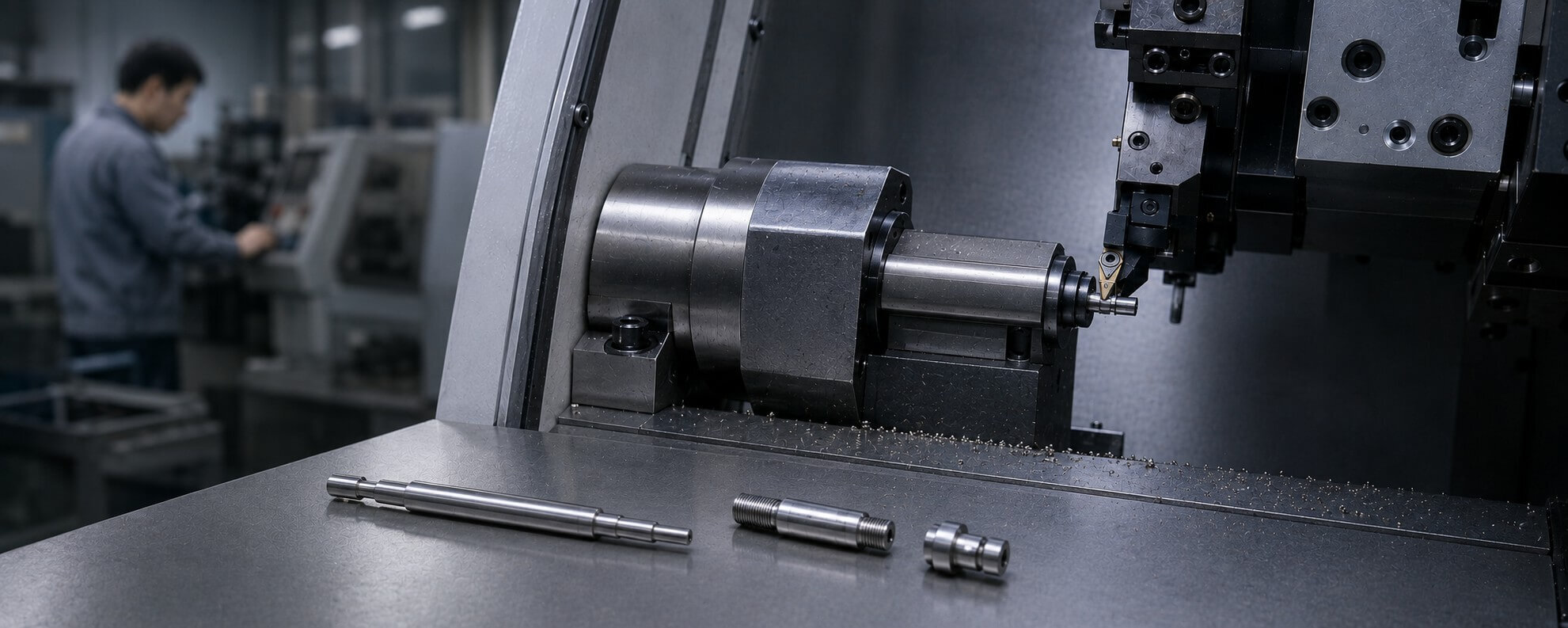
Swiss CNC machining is not automatically the best choice for every turned component. The decision should be based on the complete manufacturing requirement: part geometry, tolerance relationships, material, quantity and the number of operations needed to finish the part.
Complexity is easier to control when related features can be produced in a stable, carefully planned machining process.
Stable support near the cutting area helps manage deflection and maintain critical diameters along slender geometries.
Related turned features can be controlled for fit, alignment and repeatable assembly.
External and internal threads, narrow grooves and relief features are planned around tool access and burr control.
Axial holes, cross holes and other small features can be incorporated where the design and tooling permit.
Tapers, radii, undercuts and combined geometries can be produced as part of one coordinated process.
Deburring, cleaning, heat treatment, plating, passivation and other specified finishes can be coordinated as required.
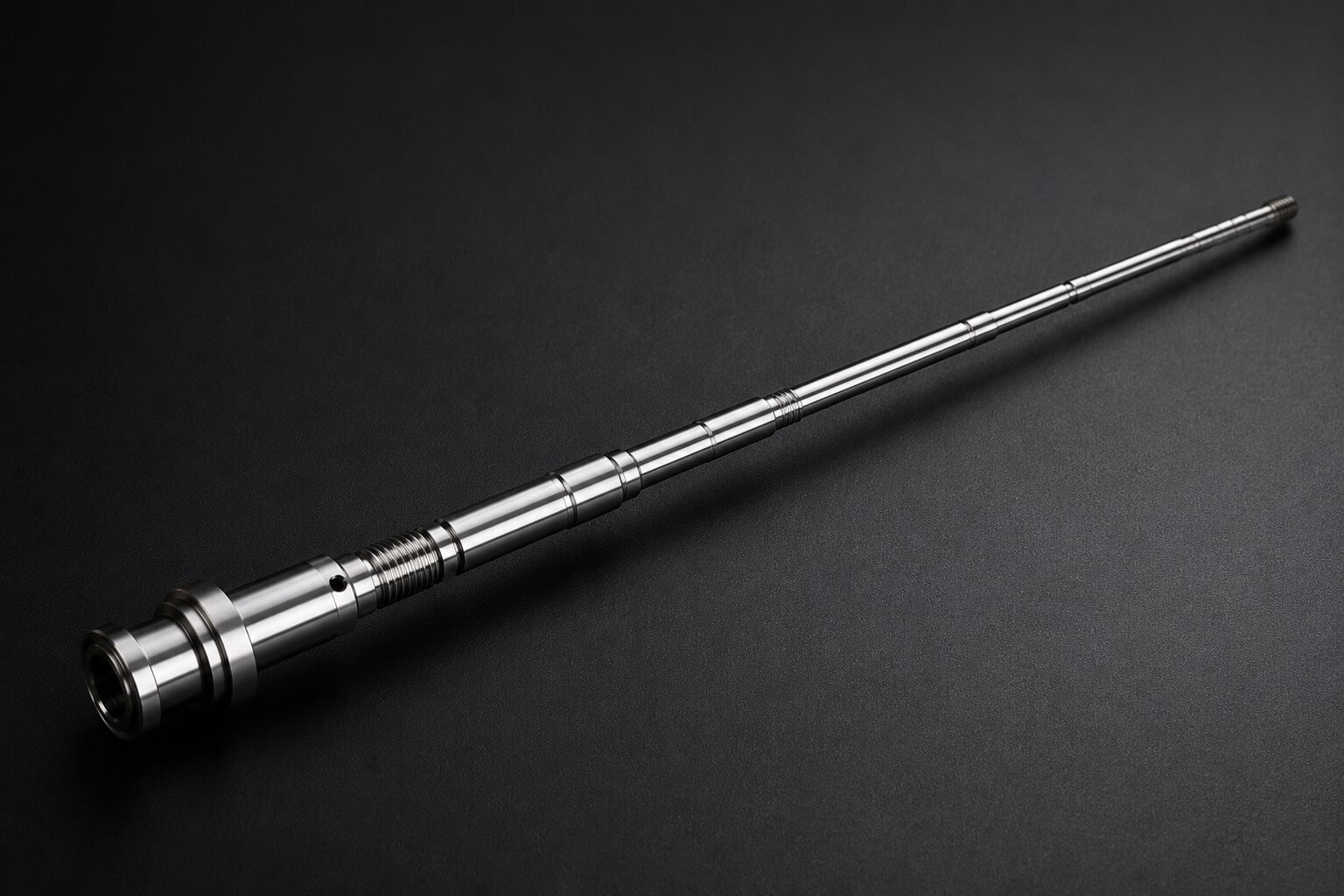
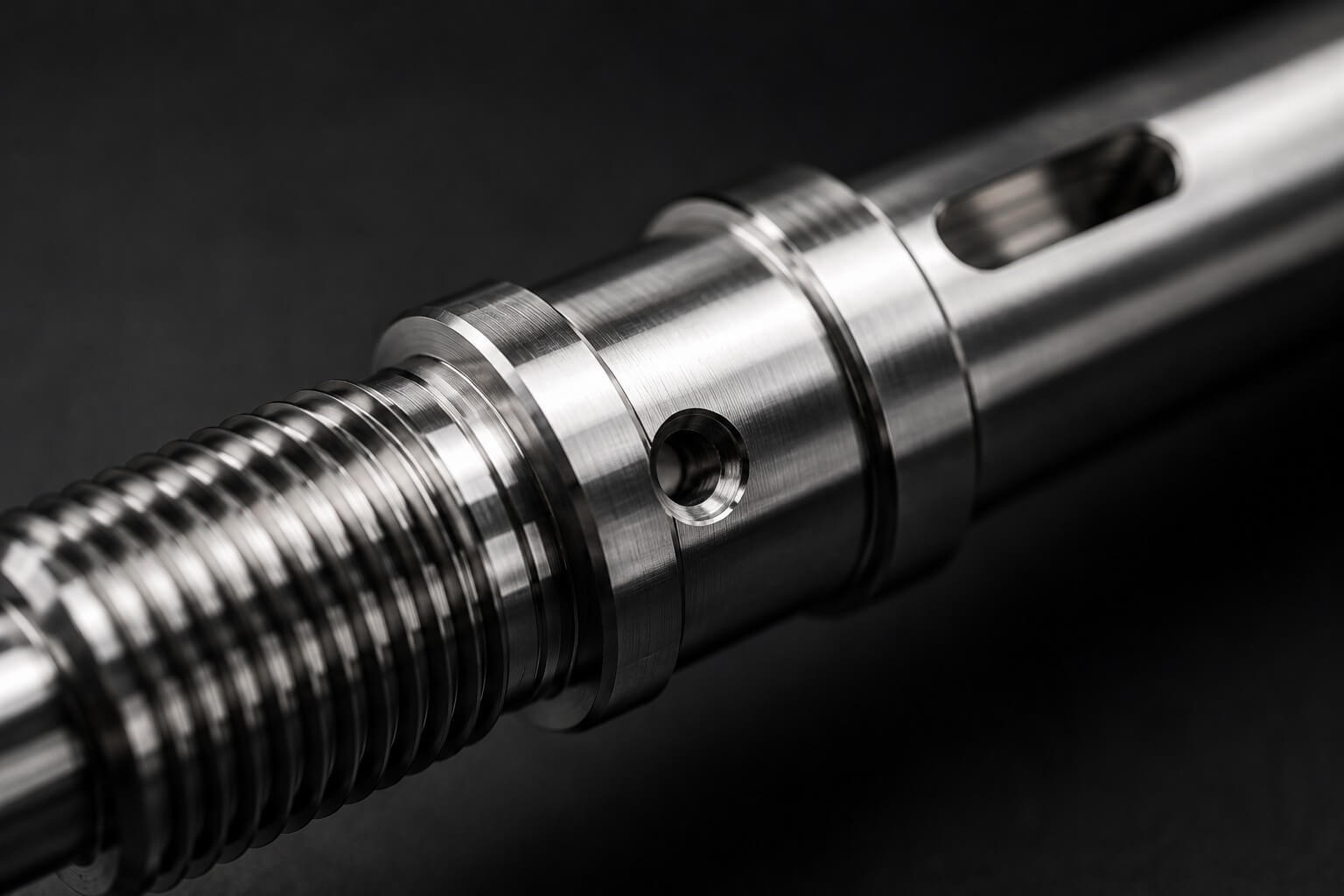
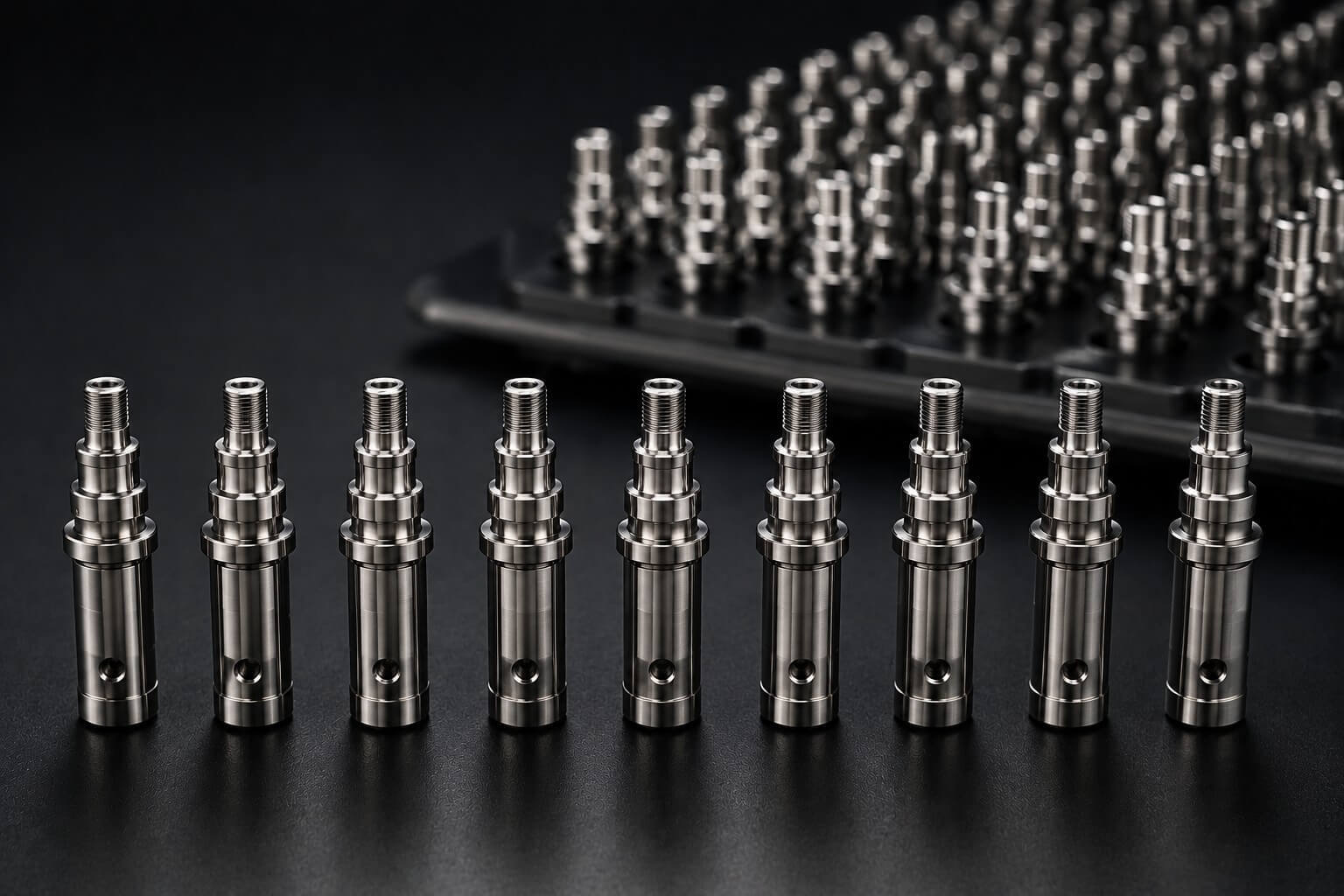
Our Swiss CNC machining service is designed for small turned components that combine multiple critical features. Depending on part geometry and material, turning, drilling, milling, threading and cross-working operations can be integrated to reduce handling and protect the relationship between functional dimensions.
Every project is reviewed individually. Tolerances, surface requirements and inspection methods are confirmed from the drawing before production begins.
The right machining strategy begins with understanding how the specified material
behaves during cutting—and how the finished part must perform.
A common choice for corrosion-resistant, medical, fluid-control and industrial components. Heat generation, work hardening and burr control require careful process planning.
Used where strength, wear resistance or subsequent heat treatment is required. Material condition and post-machining processes are reviewed before production.
Suitable for lightweight precision parts and efficient production. Particular attention is given to thin features, surface protection and cosmetic requirements
Often specified for connectors, fluid components and conductive parts. Material grade influences chip control, surface finish and tool selection.
Selected for strength-to-weight performance, corrosion resistance and demanding applications. Controlled cutting conditions help manage heat and tool wear.
POM, PEEK and other specified plastics can be machined for insulating, low-friction or lightweight applications, with attention to deformation and dimensional stability.
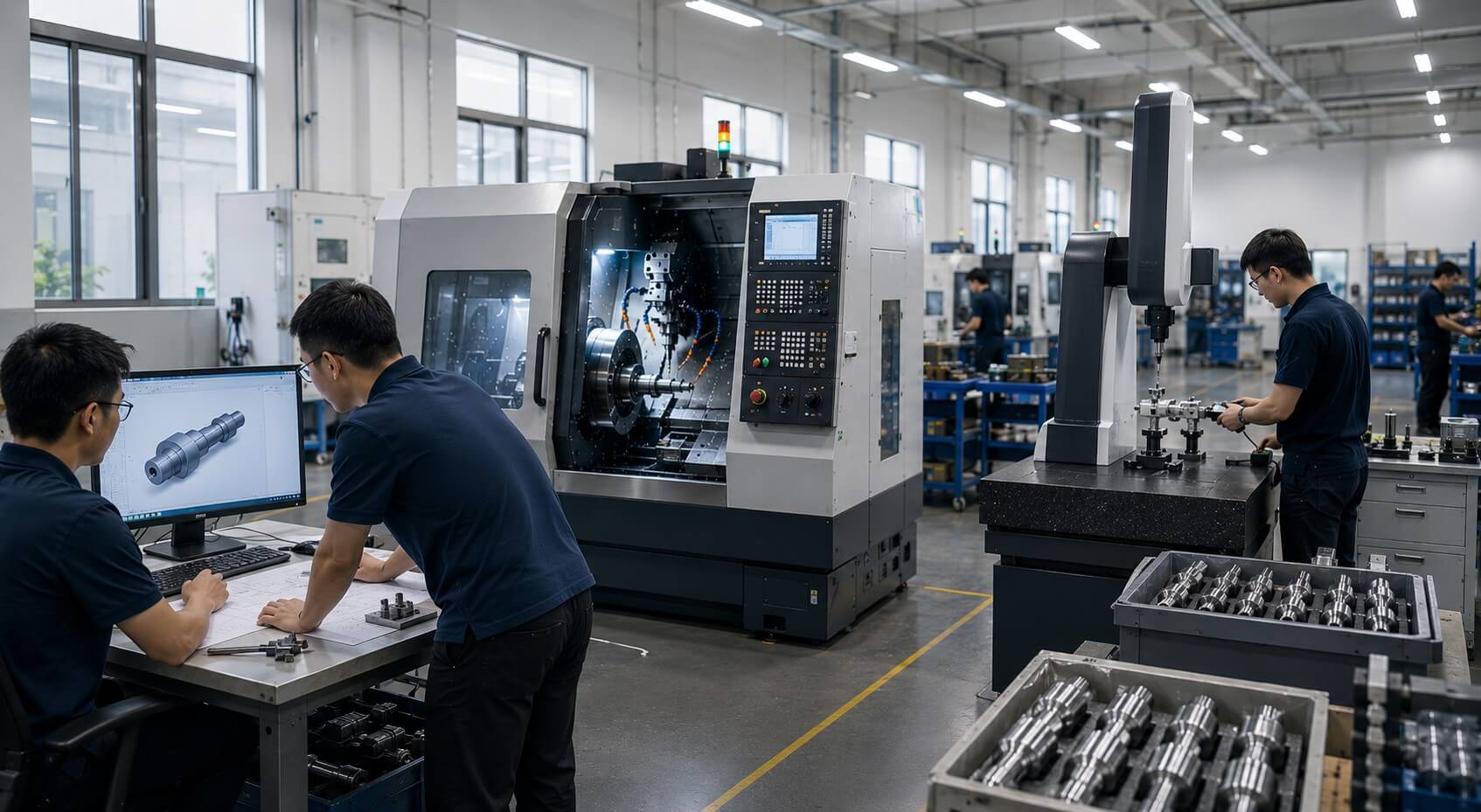
Tianyida machines a broad range of metals and engineering plastics for Swiss CNC components. Tooling, cutting parameters and inspection frequency are adjusted to the material, geometry and tolerance requirements of each project.
Please identify the exact material grade and any certification, heat-treatment or surface-finish requirement in your RFQ. If an equivalent material is being considered, it will be discussed with you before quotation or production.
Inspection confirms the result. Process control is what makes that result repeatable.
Critical dimensions, tolerances, materials, finishes and unclear specifications are reviewed before work begins.
Machining sequence, tooling, checkpoints and measuring methods are defined around functional features.
Initial parts are inspected before the process is released for continued production.
Key dimensions and tool condition are monitored during production to identify variation before it affects the full order.
Finished parts are checked using suitable equipment, including gauges, optical measurement and CMM inspection where appropriate.
Parts receive 100% outgoing inspection and are cleaned, protected and packed according to the component and delivery requirements.
For precision components, quality cannot depend only on final inspection. We establish the manufacturing and inspection plan around the drawing, the function of the part and the dimensions that create the greatest risk.
From incoming material through final packing, each stage is controlled to protect traceability, dimensional consistency and the agreed cosmetic requirements.
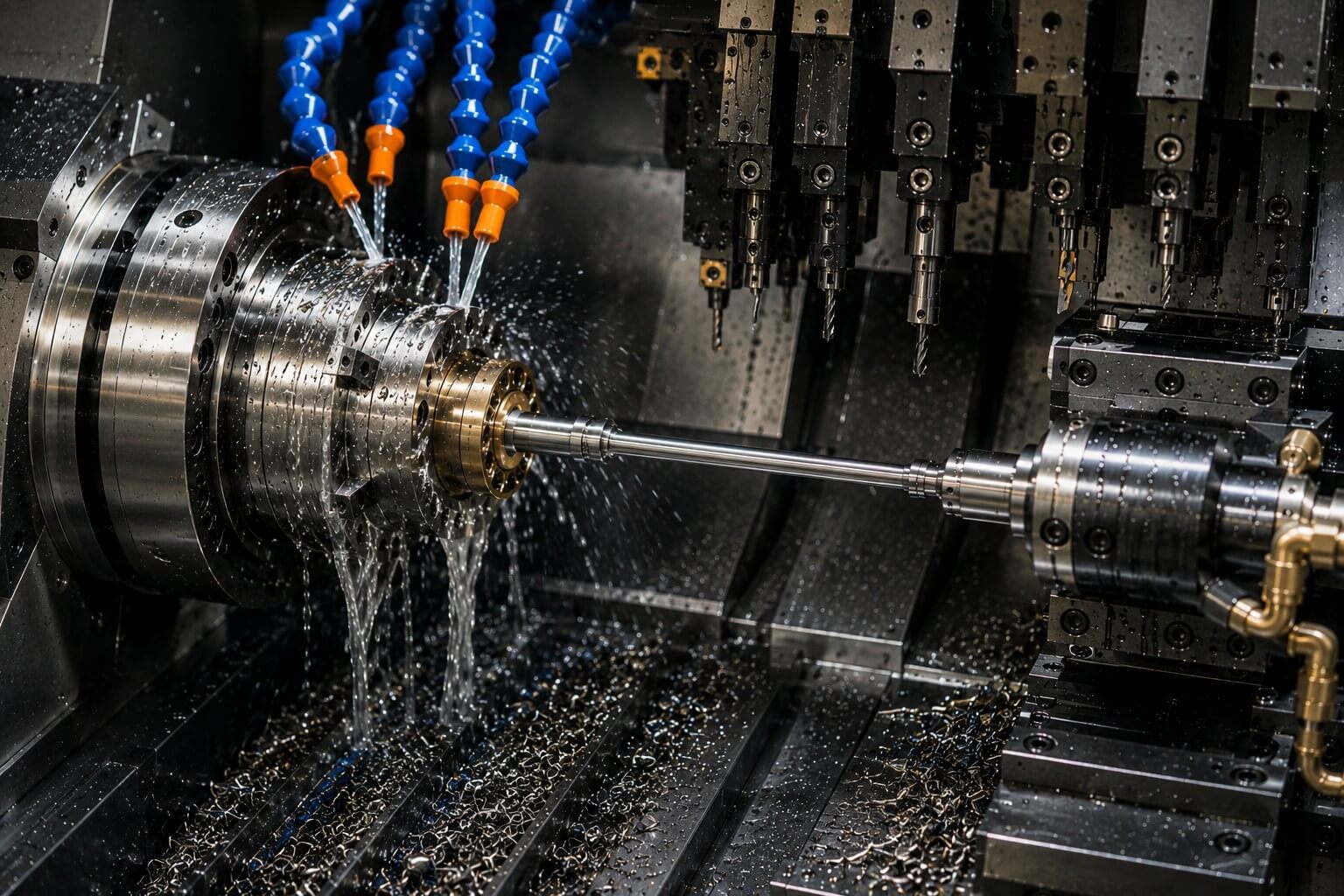
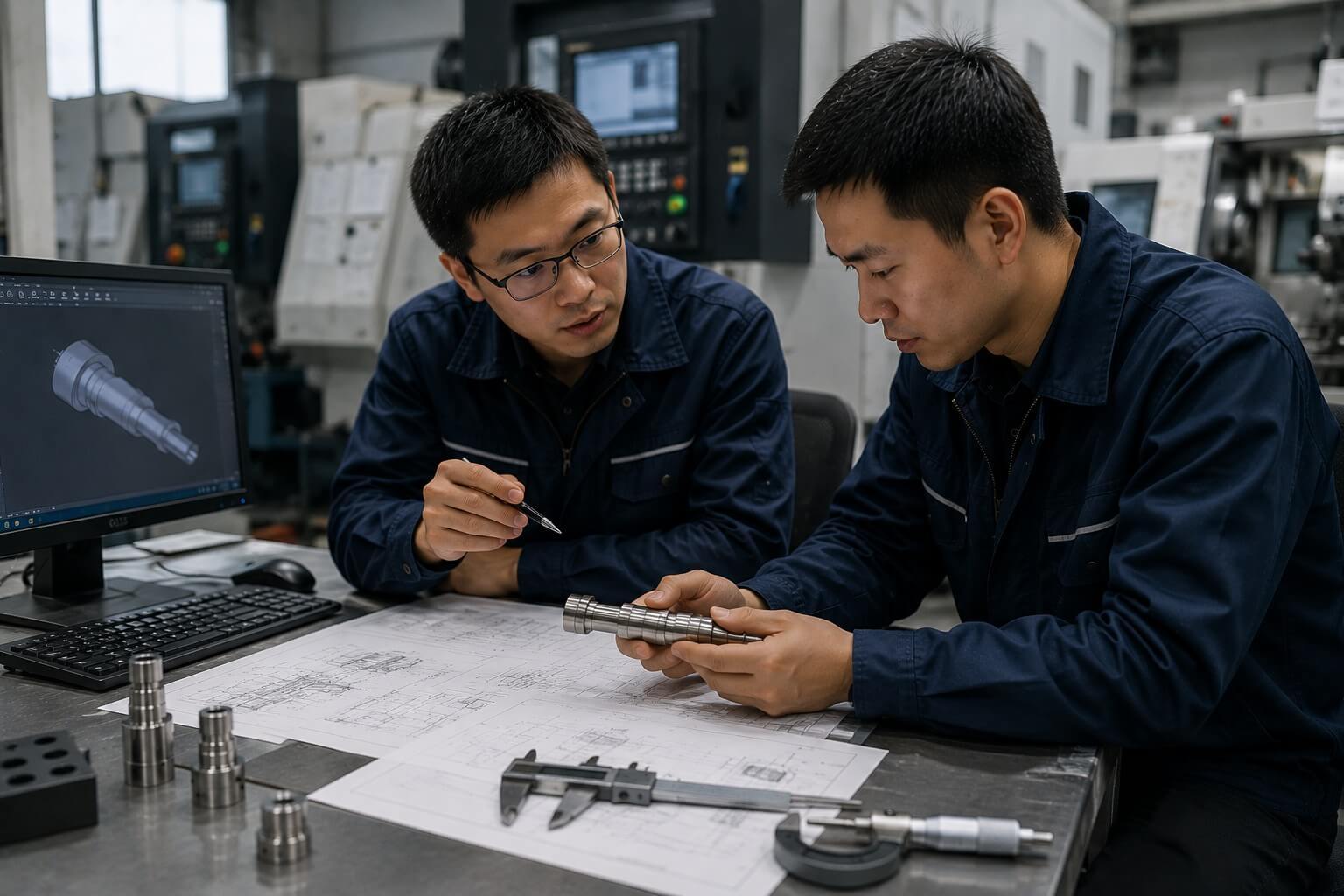
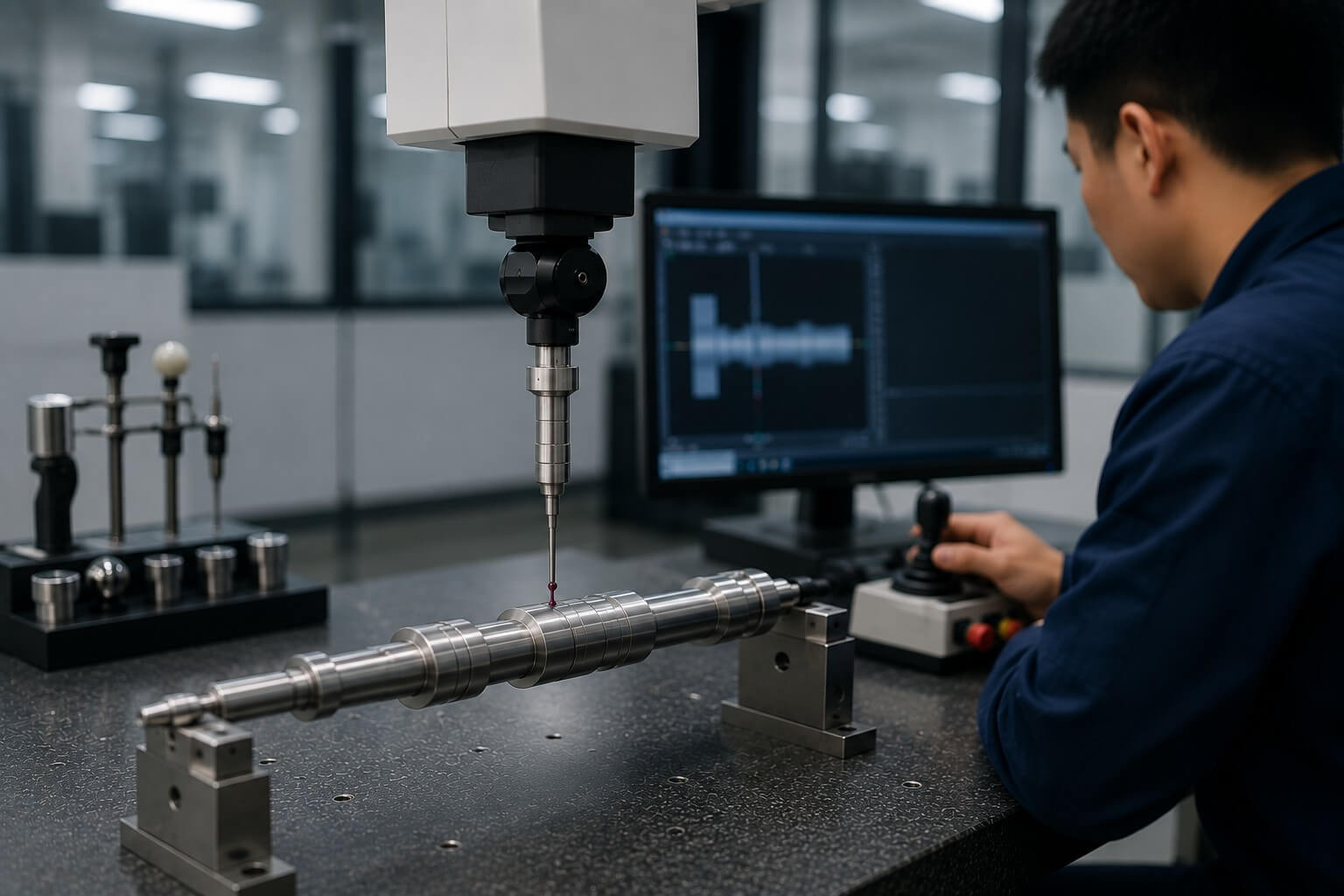
First-article, dimensional and CMM inspection reports can be prepared when specified in the quotation. Material and finishing certificates can also be coordinated when required and agreed in advance.
Swiss CNC machining is most valuable where small features, functional relationships and production consistency directly affect product performance.
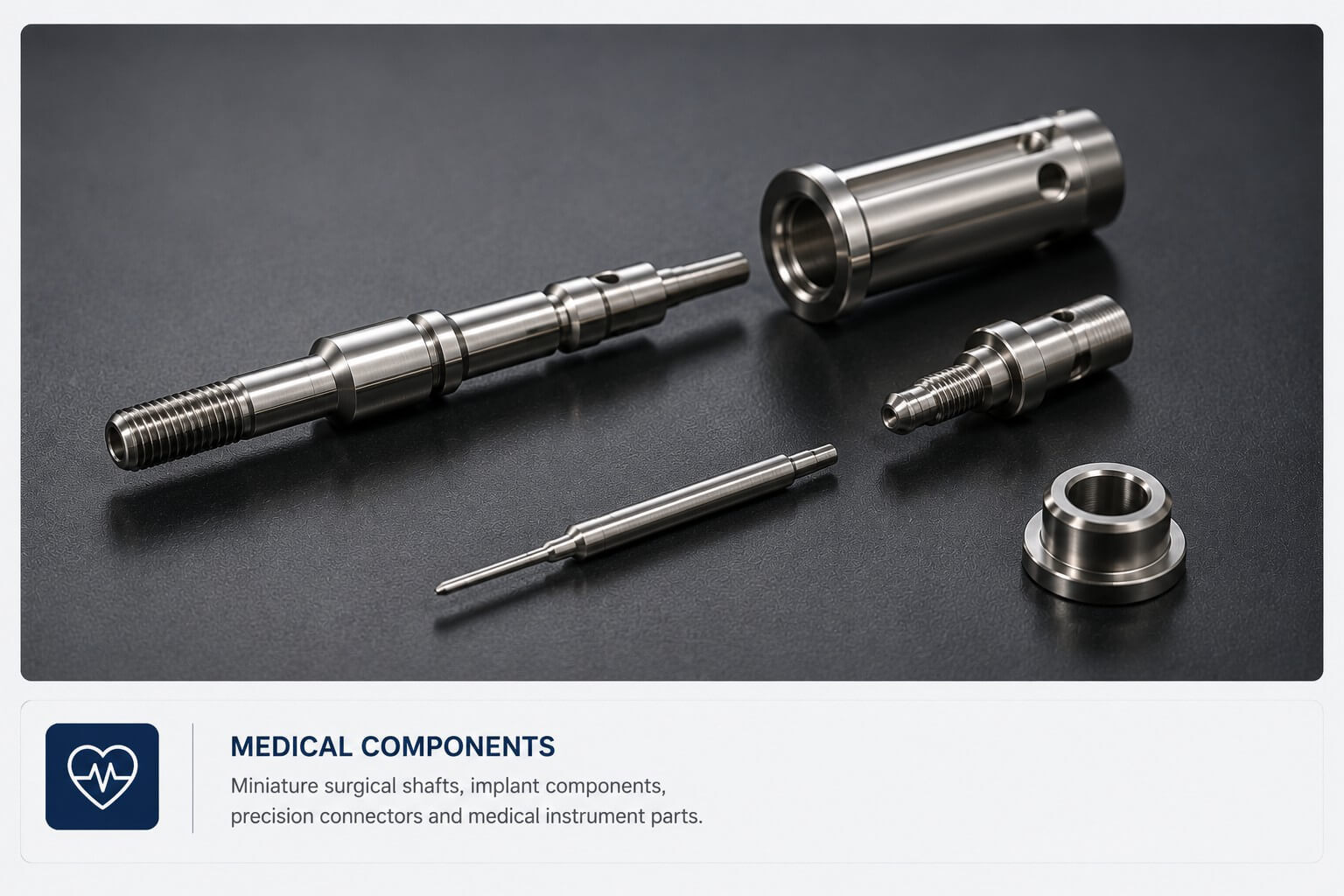
Miniature shafts, instrument components, sleeves, pins and precision connectors requiring clean features and controlled dimensions.
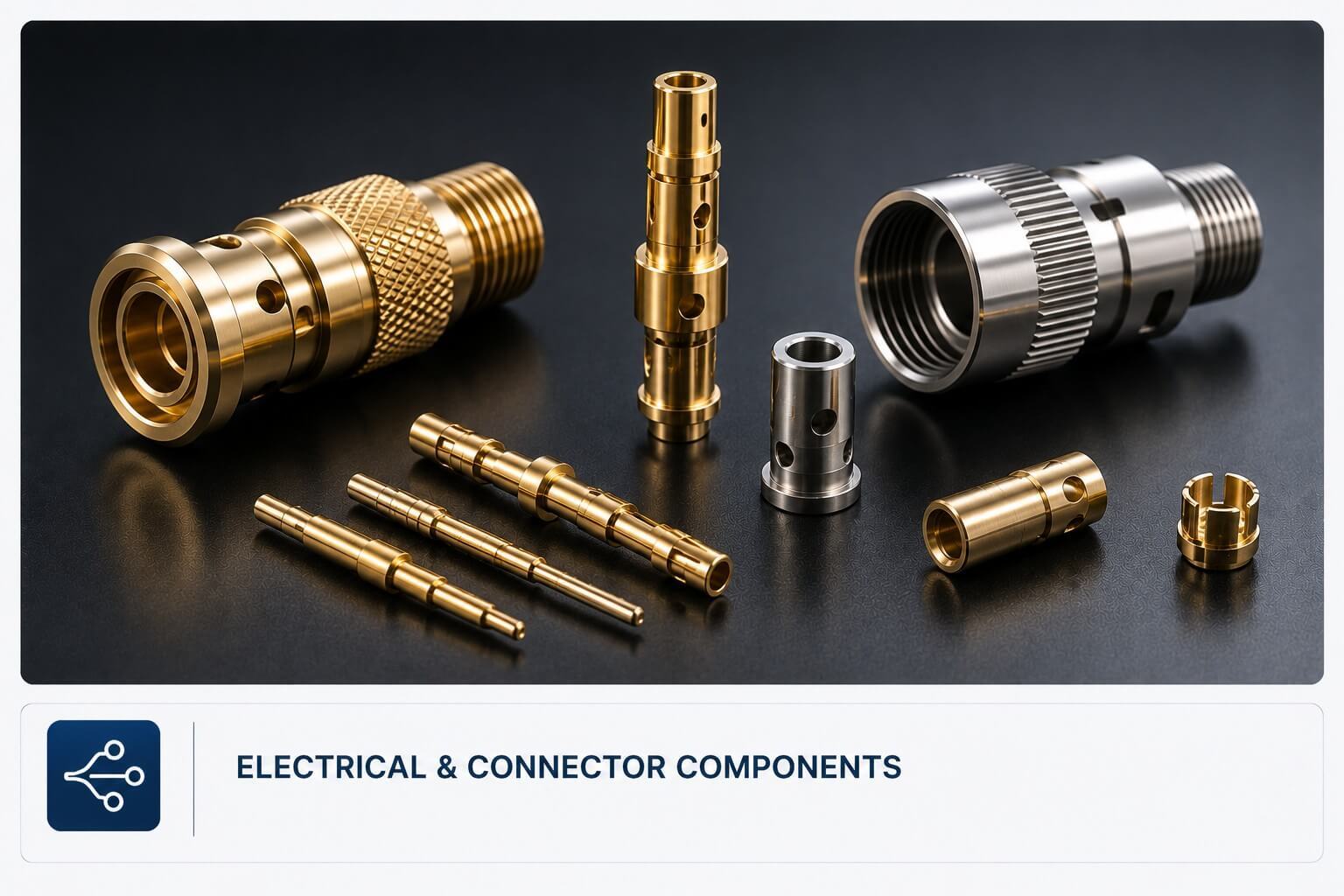
Connector pins, contacts, threaded inserts and conductive components with small diameters and detailed geometry.
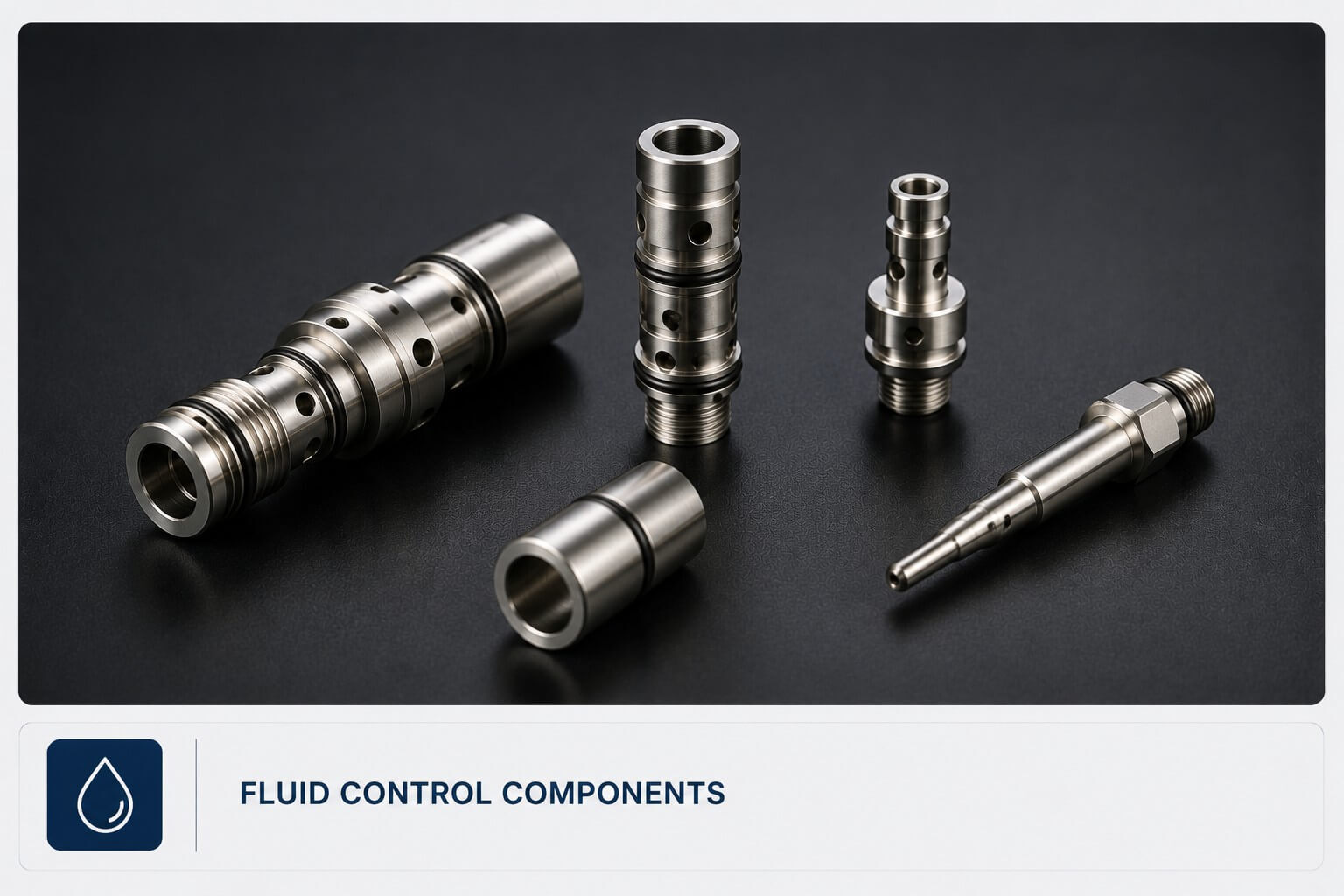
Valve spools, nozzles, sleeves, fittings and sealing-related components where surface condition and concentricity influence performance.
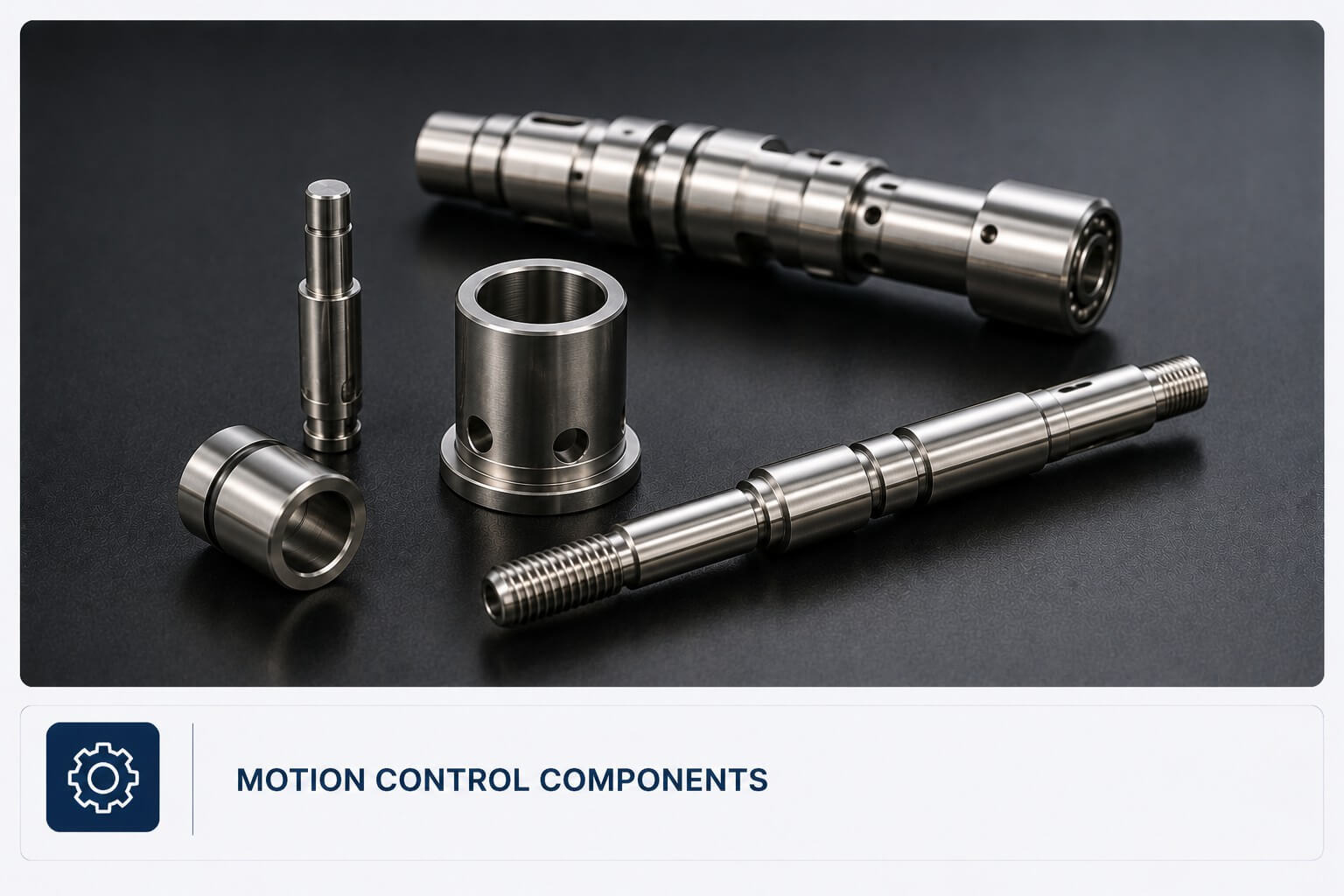
Guide pins, bushings, miniature shafts and drive elements manufactured for reliable fit and repeatable movement.
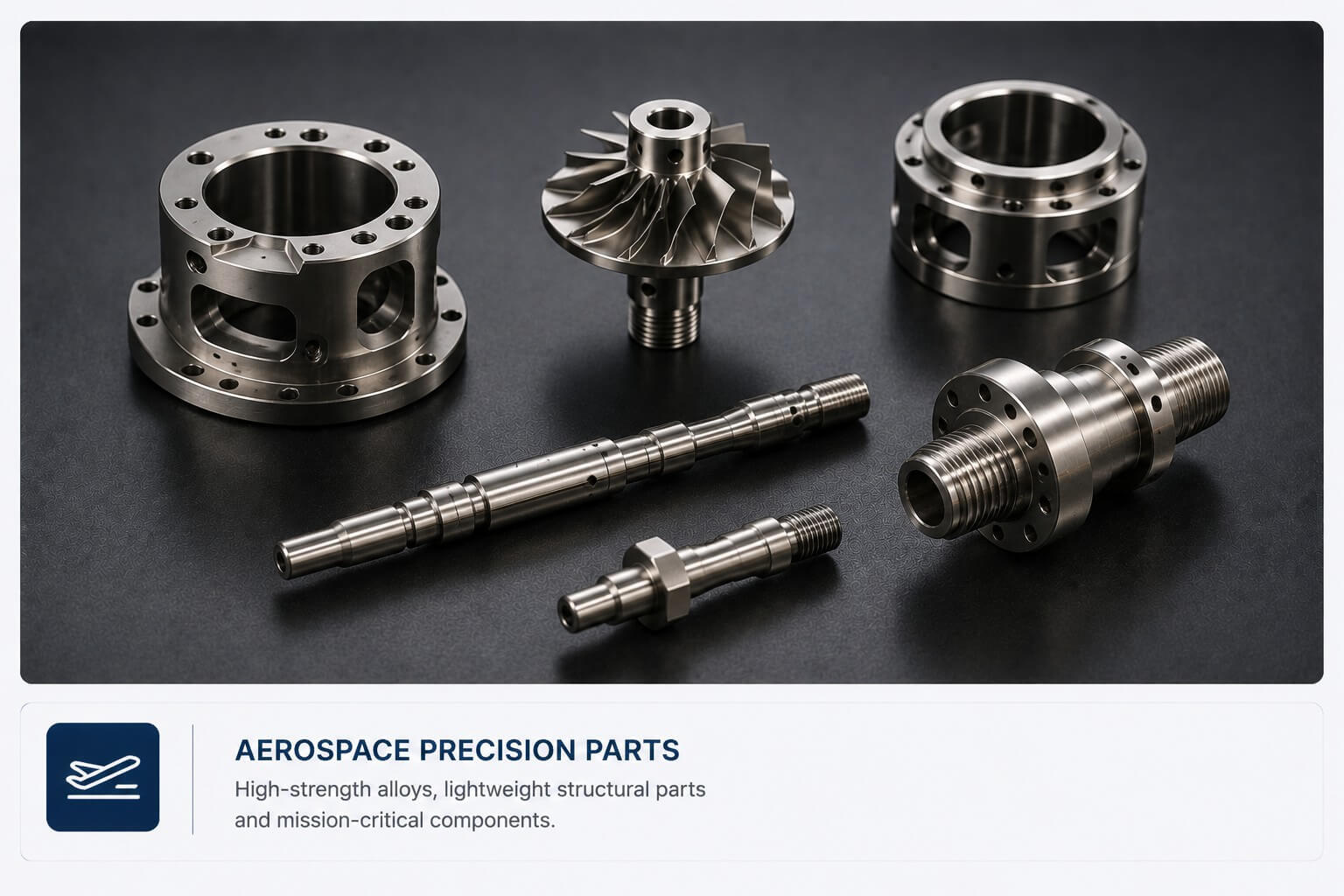
Small mechanical components produced from
specified lightweight, corrosion-resistant or
high-strength materials.
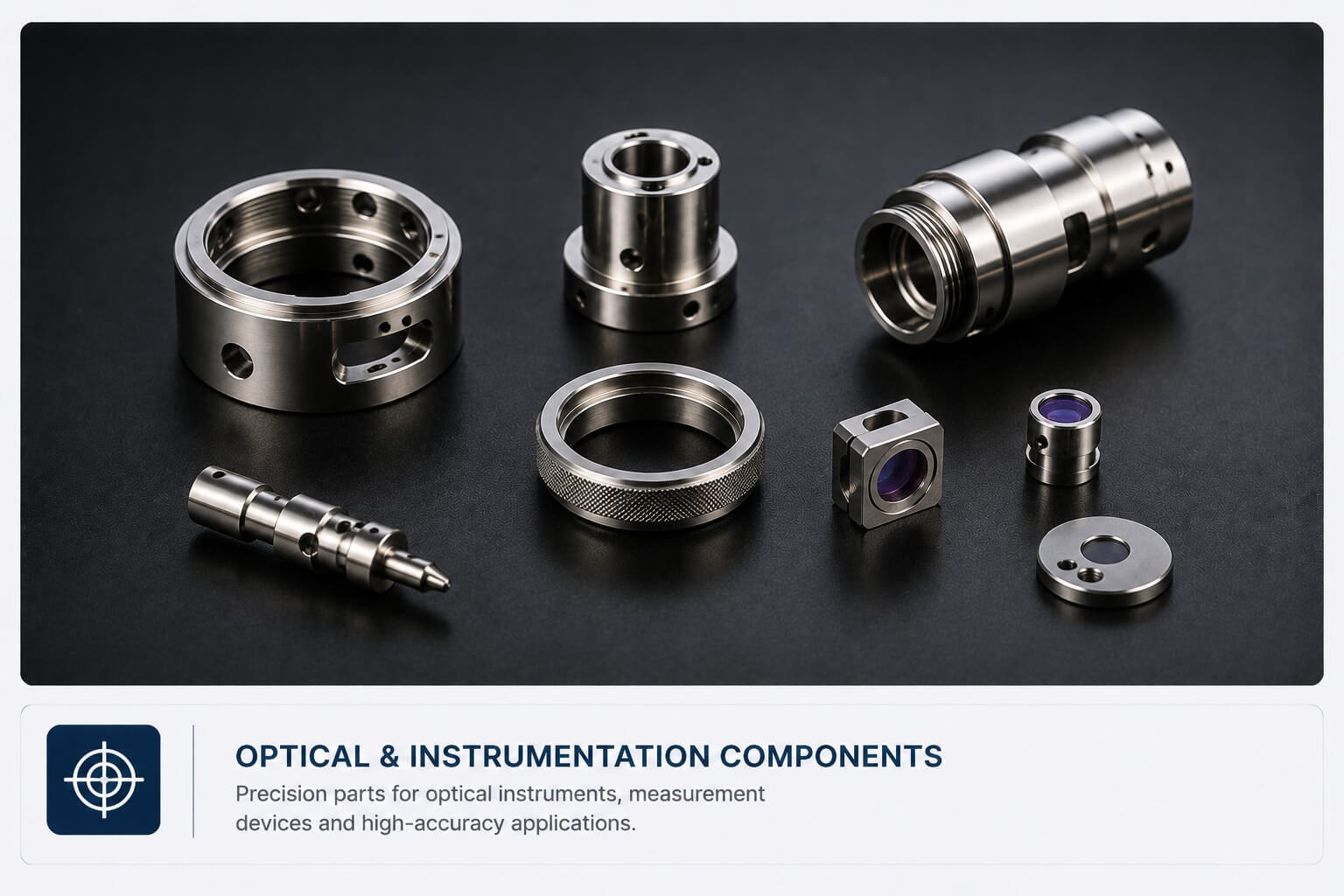
Adjustment parts, instrument shafts, housings and miniature mechanisms requiring stable dimensional relationships.
We support precision components for a wide range of industrial applications. The examples below represent common part types rather than a fixed product catalogue—every component is manufactured to the customer’s drawing and technical requirements.
Engineering support, disciplined quality control and responsive communication—from the first drawing review to repeat delivery.
We evaluate manufacturability, critical features and unclear requirements before committing to the project.
Structured procedures support traceability, inspection and consistent execution throughout production.
The same engineering discipline is applied
whether you need a first article, a small order or
ongoing supply.
Swiss CNC machining is supported by CNC
turning, milling, multi-axis machining and
coordinated finishing services.
Technical questions, schedule updates and quality requirements are communicated clearly throughout the order.
Export packing, shipping documents and global delivery can be coordinated according to the agreed terms.
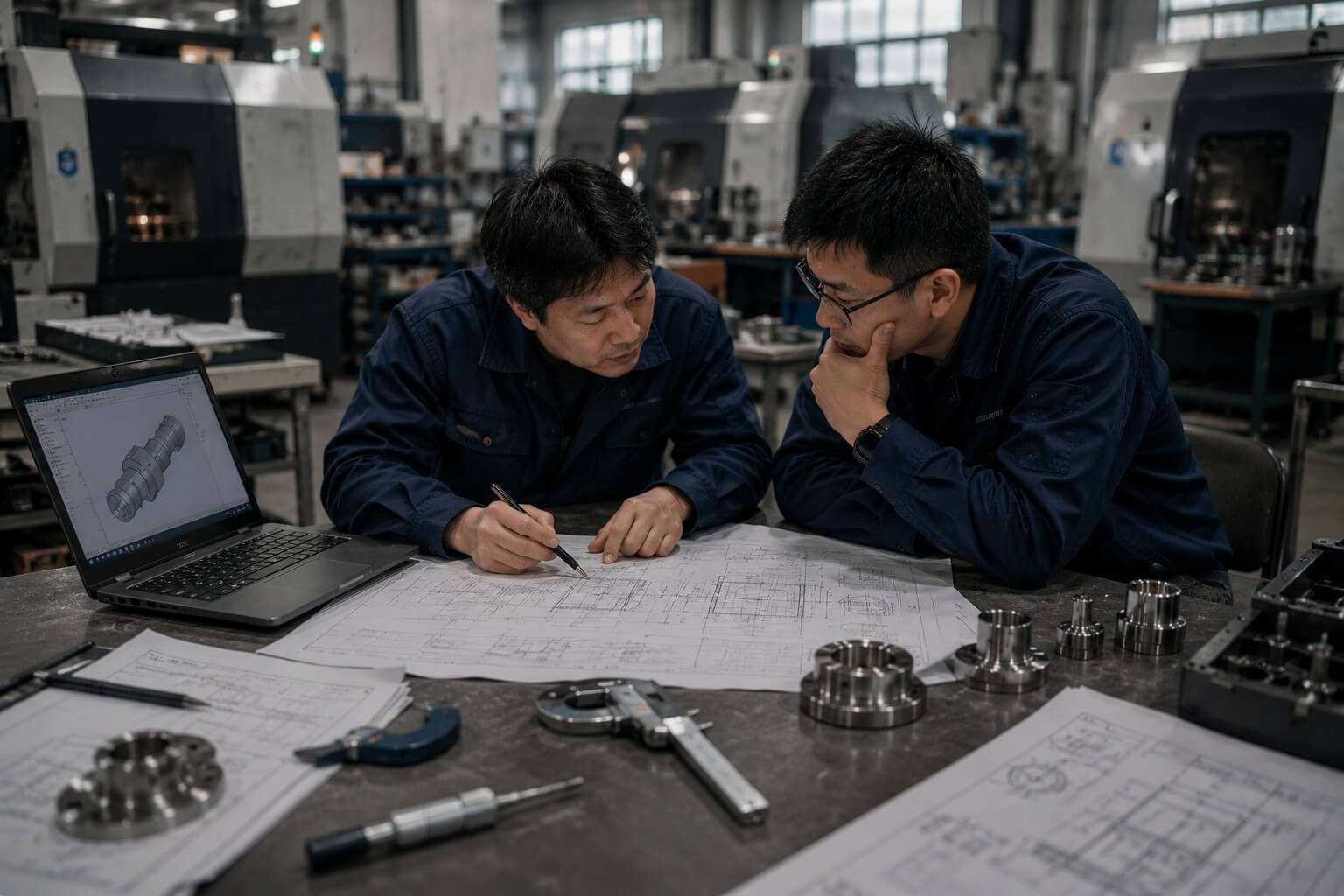
Choosing a Swiss CNC machining supplier is not only a question of equipment. Your project also depends on whether the team understands the drawing, identifies risk early, maintains the approved process and communicates clearly when a decision is required.
Tianyida combines 10 years of precision manufacturing experience with a practical, customer-focused approach. From our Shenzhen manufacturing operation, we support customers in Europe, North America and other international markets with prototypes, low-volume orders and repeat production.
Practical answers for engineers, buyers and sourcing teams preparing a precision
machining RFQ.
We commonly machine stainless steel, carbon and alloy steel, aluminum, brass, copper alloys, titanium and engineering plastics. Please specify the exact grade on your drawing or RFQ.
Tolerance capability depends on part size, geometry, material, feature location and production quantity. Send the drawing so we can review every critical tolerance and confirm feasibility.
Yes. We support prototypes, first articles, low-volume orders and repeat production. One-piece prototyping can be considered when appropriate for the project.
A 3D file such as STEP, STP, IGES, X_T or Parasolid is preferred, together with a PDF or DWG drawing showing tolerances, material, finish and inspection requirements.
Yes. First-article, dimensional and CMM reports are available when requested and agreed during quotation. Tell us which format or characteristics you require.
Yes. We can coordinate specified services such as heat treatment, passivation, plating, anodizing, black oxide and other finishes through qualified partners where applicable.
Lead time depends on material availability, complexity, quantity, finishing and inspection requirements. Prototype projects are often planned in approximately one to two weeks; the confirmed schedule will be stated in the quotation.
Customer drawings and project information are handled confidentially. We welcome NDA agreements when required.
Yes. We support worldwide delivery and can prepare the commercial invoice, packing list and other agreed export documents.
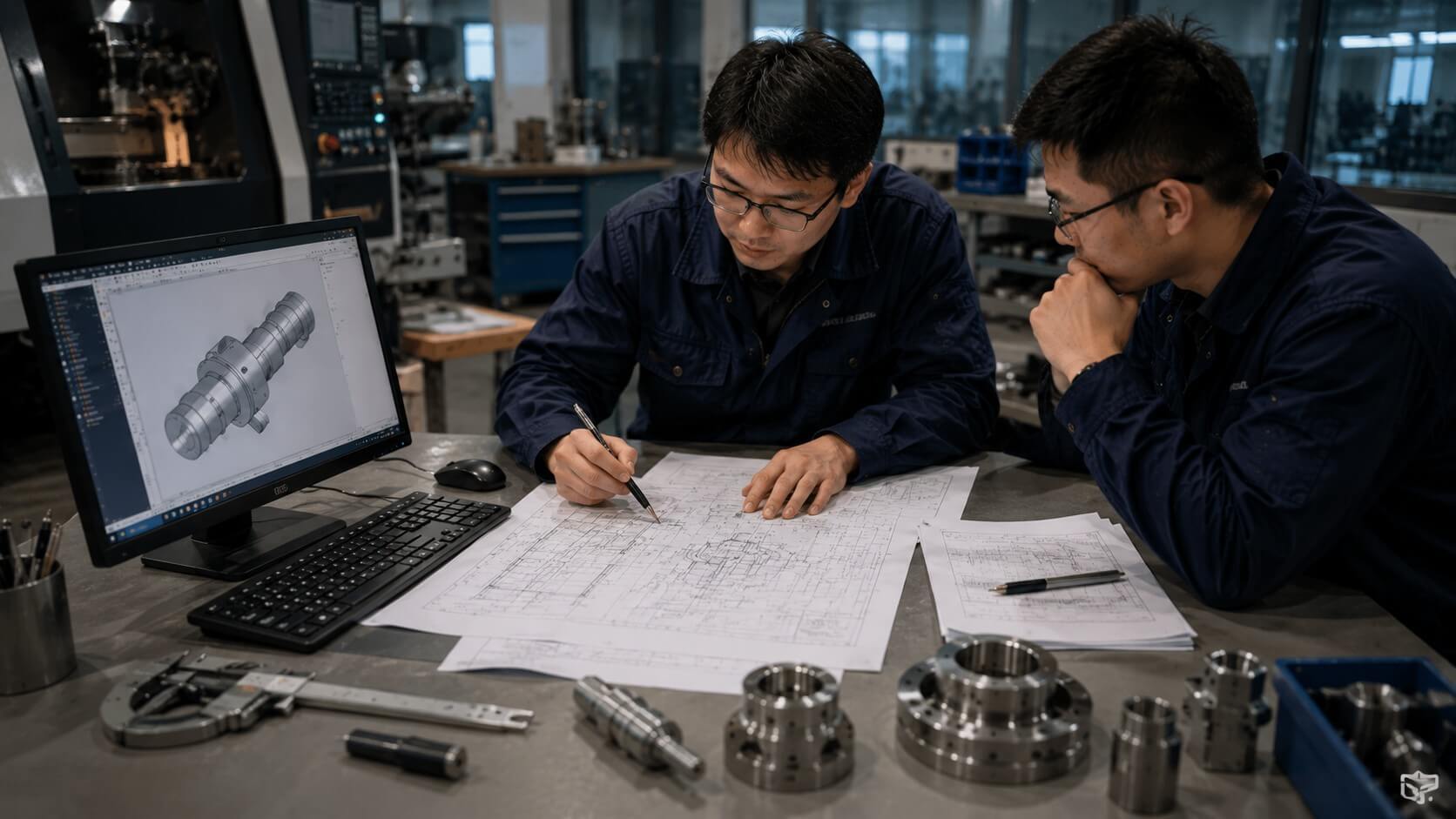
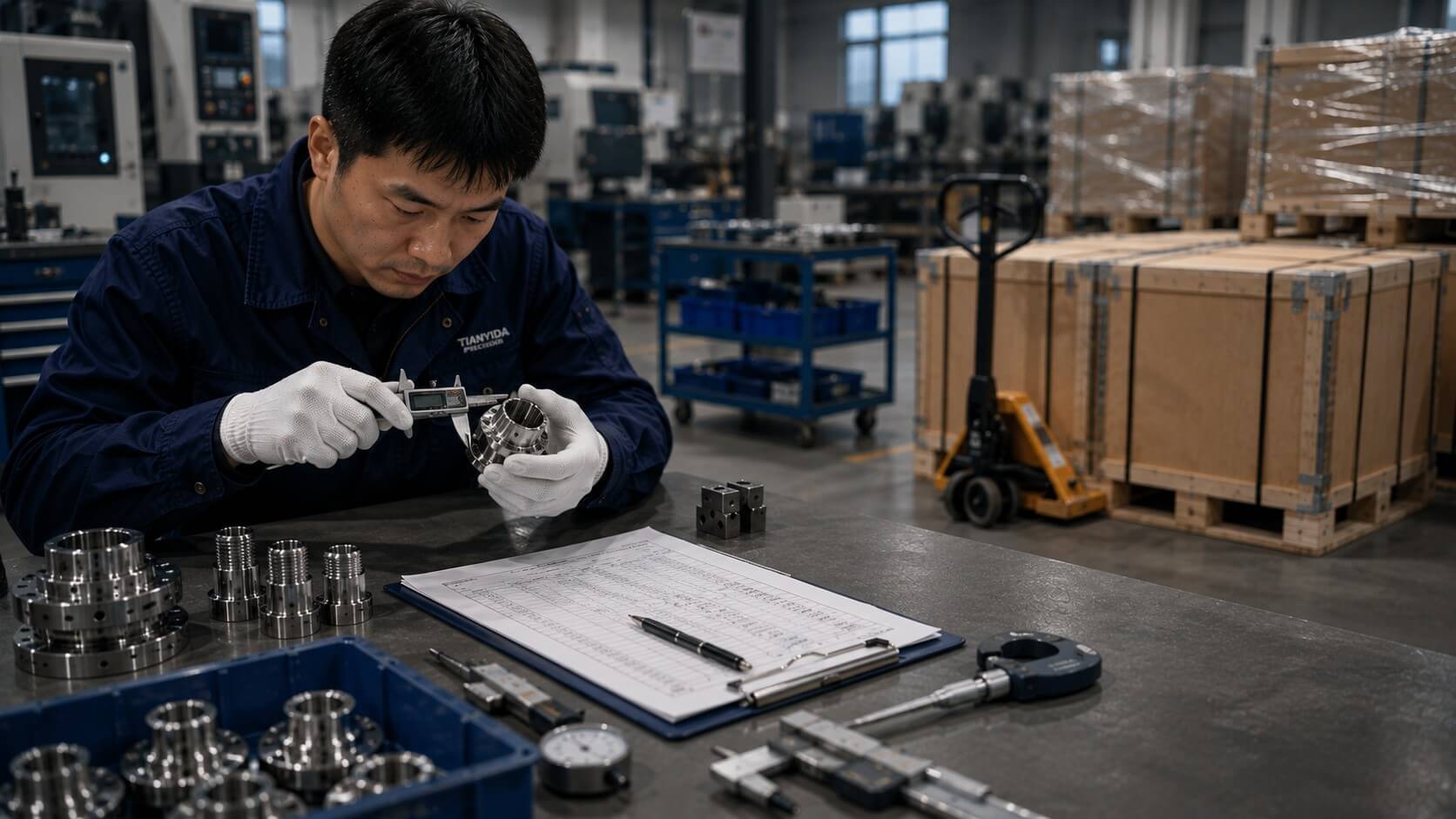
Whether you are developing a new precision component, validating a prototype or preparing for repeat production, Tianyida is ready to support the next stage of your project.
Send us your 3D model, 2D drawing, target quantity, material and finishing requirements. We will review the manufacturing details, clarify any critical questions and prepare a quotation based on the actual requirements of your part.
Shenzhen Tianyida Precision Technology Co., Ltd. is a trusted precision manufacturing partner specializing in CNC machining, sheet metal fabrication, rapid prototyping, and complete manufacturing solutions.